


Complete Guide to the Temple of Philae
Temple Of Philae Is One Of Egypt’s Most Enchanting And Spiritually Resonant Ancient Sites — A Sanctuary Rising Gracefully From The Waters Of The Nile Near Aswan Egypt. Dedicated To The Goddess Isis, Temple Of Philae Was Revered For Centuries As A Sacred Place Of Healing, Devotion, And Mythology. Unlike Temples Built On Solid Ground, Temple Of Philae Was Designed As An Island Sanctuary, Accessible Only By Boat, Creating A Sense Of Mystery And Sacred Separation That Still Captivates Visitors Today.
This Complete Guide To The Temple Of Philae Explores Its Overview, History, Main Highlights, Light And Sound Show, Transportation Options, And Frequently Asked Questions — Offering Everything You Need To Know To Experience One Of Egypt’s Most Beautiful Temples.
Overview Of Temple Of Philae
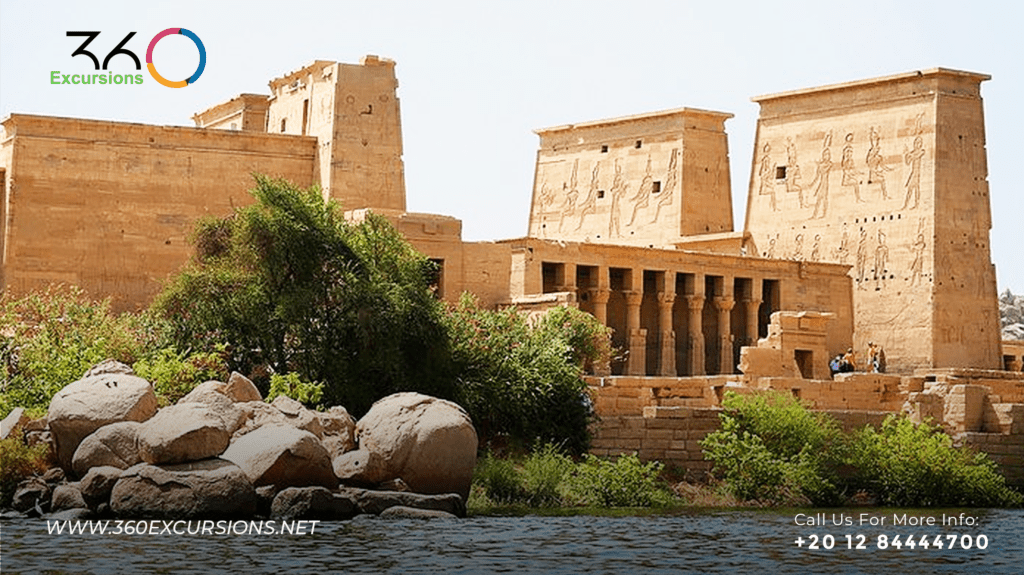
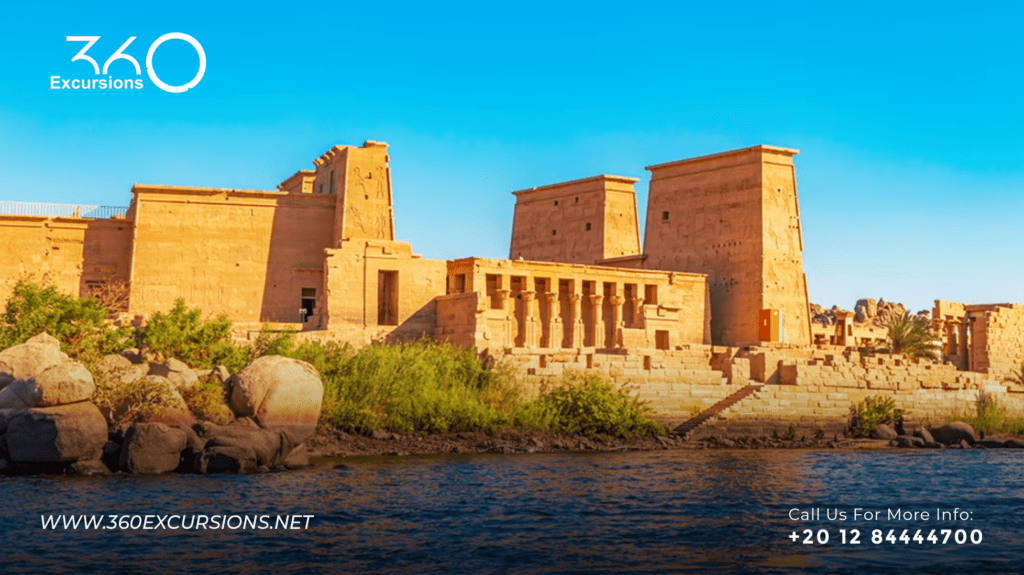
Temple Of Philae Is Located On Agilkia Island In The Nile River Near Aswan And Is Best Known As The Legendary Island Temple Of Isis. In Ancient Egyptian Belief, Isis Was The Goddess Of Magic, Motherhood, Healing, And Resurrection, Making Philae One Of The Most Sacred Religious Centers In Egypt.
Why Philae Is The Island Temple Of Isis
Temple Of Philae Earned Its Sacred Status Because It Was Closely Associated With The Myth Of Isis And Osiris. According To Legend, Isis Traveled Across Egypt Searching For The Scattered Body Of Her Husband Osiris, Ultimately Restoring Him To Life Through Magic. Philae Was Believed To Be One Of The Places Where This Divine Resurrection Occurred. Because Of This Association, Temple Of Philae Became:
- A Major Pilgrimage Site
- A Center For Religious Rituals
- A Place Of Healing And Blessings
- One Of The Last Active Pagan Temples In Egypt
Worship Of Isis Continued At Philae Long After Other Temples Were Closed, Highlighting Its Exceptional Spiritual Importance.
UNESCO Relocation
One Of The Most Remarkable Aspects Of Temple Of Philae Is Its Modern Rescue And Relocation. When The Aswan High Dam Was Built In The 20th Century, The Original Island Of Philae Was Submerged Under Rising Nile Waters, Threatening The Temple With Permanent Loss.
Through A UNESCO-Led International Effort, Temple Of Philae Was Carefully Dismantled Stone By Stone And Reconstructed On Nearby Agilkia Island. This Operation Preserved The Temple’s Original Orientation, Design, And Sacred Atmosphere.
The UNESCO Relocation Of Temple Of Philae Is Considered One Of The Greatest Archaeological Rescue Projects In History.
History
The History Of Temple Of Philae Reflects Egypt’s Transition From Ancient Religion To Classical And Roman Rule.
Ptolemaic Construction
Temple Of Philae Was Primarily Constructed During The Ptolemaic Period, Following Alexander The Great’s Conquest Of Egypt. The Ptolemies, Who Ruled As Greek Pharaohs, Actively Supported Egyptian Religious Traditions To Legitimize Their Power.
During This Period, Major Structures At Temple Of Philae Were Built Using Traditional Egyptian Architectural Styles While Incorporating Greek Artistic Influences. Reliefs And Inscriptions Show Pharaohs Making Offerings To Isis, Reinforcing The Continuity Of Ancient Beliefs.
Roman Additions
Under Roman Rule, Temple Of Philae Continued To Receive Additions And Modifications. Roman Emperors, Including Augustus And Trajan, Sponsored Construction And Decoration Projects At The Temple. Roman Contributions Included:
- New Reliefs And Inscriptions
- Architectural Enhancements
- Integration Of Roman Artistic Elements
Temple Of Philae Remained An Active Religious Center Well Into The Roman Period, Making It One Of The Last Temples Where Ancient Egyptian Religion Was Practiced.
Main Highlights
Temple Of Philae Is Rich In Architectural And Artistic Highlights That Make It One Of The Most Visually Stunning Temples In Egypt.
Temple Of Isis
The Temple Of Isis Is The Central And Most Important Structure Within The Temple Of Philae. Dedicated To The Goddess Herself, This Temple Features:
- Grand Pylons With Carved Reliefs
- Inner Sanctuaries And Chapels
- Scenes Depicting Myths Of Isis And Osiris
- Inscriptions In Hieroglyphs And Greek
Walking Through The Temple Of Isis Offers A Deep Sense Of Sacred Space, Enhanced By Its Island Setting And Surrounding Water.
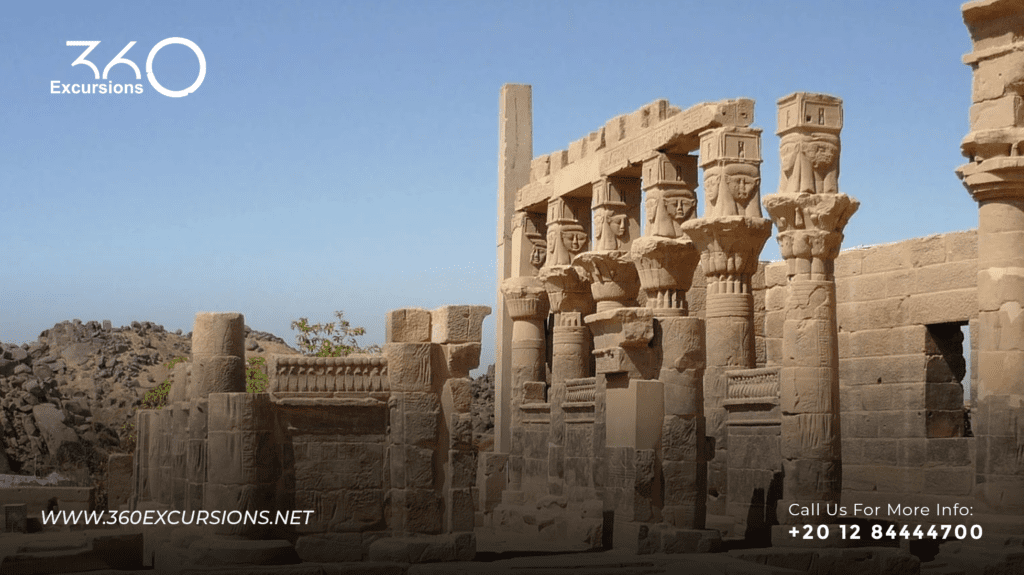
Trajan’s Kiosk
Trajan’s Kiosk, Also Known As Pharaoh’s Bed, Is One Of The Most Elegant Structures At Temple Of Philae. This Open Pavilion Was Likely Used For Ceremonial Processions And Rituals. Its Features Include:
- Slender Columns
- Open Design Allowing Views Of The Nile
- Graceful Proportions
Trajan’s Kiosk Is One Of The Most Photographed Spots At Temple Of Philae, Especially At Sunrise And Sunset.
Birth House
The Birth House, Or Mammisi, At Temple Of Philae Celebrates The Mythical Birth Of Horus, Son Of Isis. This Small Yet Important Structure Was Used For Rituals Related To Fertility, Birth, And Divine Kingship. Reliefs Inside The Birth House Depict:
- Isis Nursing The Child Horus
- Protective Deities
- Symbolic Scenes Of Renewal
The Birth House Highlights The Temple’s Role In Celebrating Life, Creation, And Divine Continuity.
Light & Sound Show
The Light And Sound Show At Temple Of Philae Is One Of The Most Atmospheric Experiences In Aswan. Held At Night, The Show Uses Music, Narration, And Dramatic Lighting To Bring The Temple’s History And Mythology To Life. During The Show, Visitors Learn About:
- The Myth Of Isis And Osiris
- The History Of The Temple
- The UNESCO Relocation Project
Illuminated Against The Night Sky, Temple Of Philae Takes On A Magical Quality That Deepens Its Mystical Appeal.
How To Reach (Boat From Aswan)
Temple Of Philae Is Accessible Only By Boat, Adding To Its Unique Charm.
From Aswan
Visitors Travel By Motorboat From The Philae Marina Near The Old Aswan Dam. The Boat Ride Takes Only A Few Minutes And Offers Beautiful Views Of The Nile And Surrounding Islands. Many Travelers Combine The Temple With A Visit To The Unfinished Obelisk Aswan As Part Of The Same Outing. Transportation Tips Include:
- Boats Are Organized At The Dock
- Life Jackets Are Provided
- Group And Private Boats Are Available
The Journey By Water Is An Essential Part Of The Temple Of Philae Experience, and visitors coming from other regions often include it within a structured Luxor Day Trip itinerary to explore Upper Egypt efficiently.
FAQs
Is Temple Of Philae Worth Visiting?
It Is One Of Egypt’s Most Beautiful And Atmospheric Temples.
How Long Does A Visit Take?
Approximately 1–1.5 Hours.
Is Photography Allowed?
Photography Is Allowed Throughout The Site.
Is Temple Of Philae Suitable For Families?
The Site Is Accessible And Enjoyable For All Ages.
Can I Visit Temple Of Philae And Other Aswan Sites In One Day?
It Is Commonly Combined With The Aswan High Dam And Unfinished Obelisk.
Conclusion
Temple Of Philae Is A Sanctuary Of Beauty, Myth, And Resilience — A Place Where Ancient Faith Meets Modern Preservation. With Its Island Setting, Elegant Architecture, Sacred Stories, And Remarkable UNESCO Rescue, Temple Of Philae Offers An Experience Unlike Any Other In Egypt. Whether Visited By Day Or Illuminated At Night, Temple Of Philae Remains A Timeless Symbol Of Devotion, Survival, And The Enduring Magic Of Ancient Egyptian Civilization, especially when thoughtfully planned within a broader Cairo Day Trip by Plane or multi-city itinerary.