


Complete Guide to Elephantine Island
Elephantine Island Is One Of Egypt’s Oldest Continuously Inhabited Settlements And One Of The Most Atmospheric Places Along the Nile River in Egypt. Located In The Heart Of Aswan Egypt, Elephantine Island Offers A Unique Blend Of Ancient History, Nubian Culture, And Peaceful Island Life. Unlike Monumental Temples Or Busy City Streets, The Island Invites Visitors To Slow Down, Walk Quiet Paths, Explore Archaeological Ruins, And Experience The Nile As It Has Been Lived For Thousands Of Years.
This Complete Guide Covers Its Overview, Historical Importance, Main Attractions, Best Visiting Times, And Transportation Options, Helping You Discover One Of Aswan’s Most Authentic And Culturally Rich Destinations.
Overview Of Elephantine Island
Elephantine Island Lies In The Middle Of The Nile Opposite Aswan City And Has Played A Critical Role In Egyptian History Since Pre-Dynastic Times. Known In Ancient Egypt As “Abu,” Meaning Elephant, The Island Marked Egypt’s Southern Frontier And Served As A Strategic Military, Trade, And Religious Center.
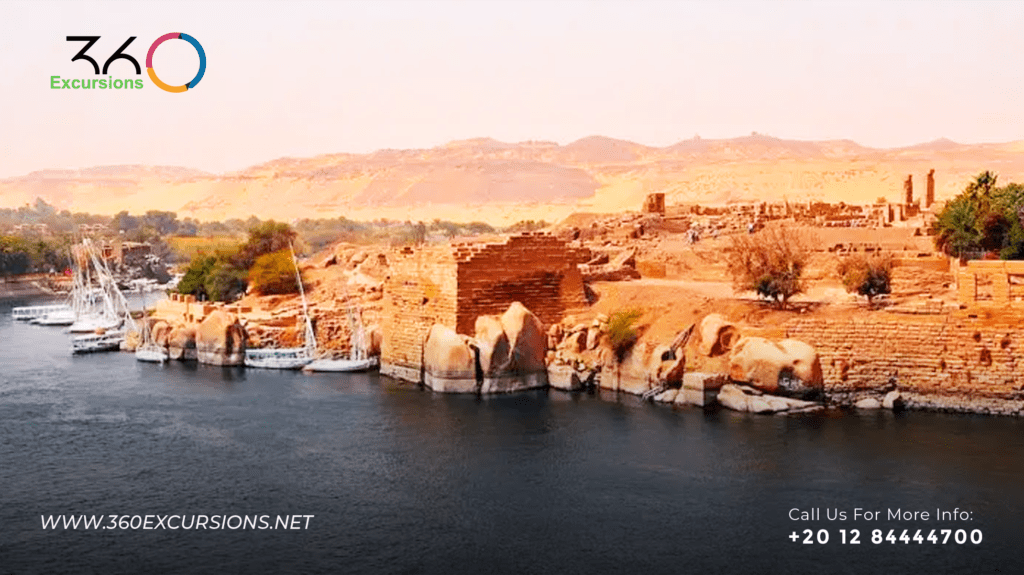
Today, Elephantine Is A Calm, Green Refuge Filled With Palm Trees, Colorful Nubian Homes, Archaeological Sites, And Stunning River Views. Visitors Experience A Rare Combination Of Ancient Ruins And Living Communities Coexisting On The Same Sacred Ground. Many Travelers Pair Their Visit With The Nearby The Nubian Museum in Aswan To Better Understand Nubian Heritage And Regional History.
Importance In Nubian History
Elephantine Island Holds Enormous Importance In Nubian And Ancient Egyptian History Because It Served As:
- Egypt’s Southern Border With Nubia
- A Military Outpost Controlling Trade Routes
- A Religious Center Dedicated To Khnum, Satet, And Anuket
- A Key Location For Monitoring Nile Flood Levels
The Island Was Closely Connected To Nubian Culture, Language, And Trade, Acting As A Gateway Between Egypt And Sub-Saharan Africa. Many Artifacts Found On Elephantine Reflect Cultural Exchange, Shared Traditions, And Mutual Influence Between Egyptians And Nubians.
Nile Island Lifestyle
Life On Elephantine Island Moves At A Gentle Pace That Reflects Traditional Nile Living. There Are No Cars On Most Parts Of The Island — Only Footpaths, Small Boats, And Feluccas Connecting Homes And Villages. Daily Life Includes:
- Fishing Along The Riverbanks
- Children Playing Near The Water
- Farmers Tending Small Gardens
- Families Sharing Tea In Shaded Courtyards
This Lifestyle Gives The Island A Unique Charm That Feels Deeply Authentic And Timeless.
Main Attractions
Elephantine Island Contains Several Important Attractions That Combine Archaeology, Culture, And Natural Beauty.
Aswan Museum
The Aswan Museum Is Located On The Southern End Of The Island And Is Housed In A Beautiful Early 20th-Century Building Surrounded By Gardens. The Museum Displays Artifacts Discovered On The Island, Including:
- Statues Of Ancient Gods
- Inscriptions And Reliefs
- Pottery And Tools
- Objects From Nubian And Egyptian Periods
The Museum Provides Essential Context For Understanding The Island’s Role In Ancient History And Is Best Visited Before Exploring The Ruins.
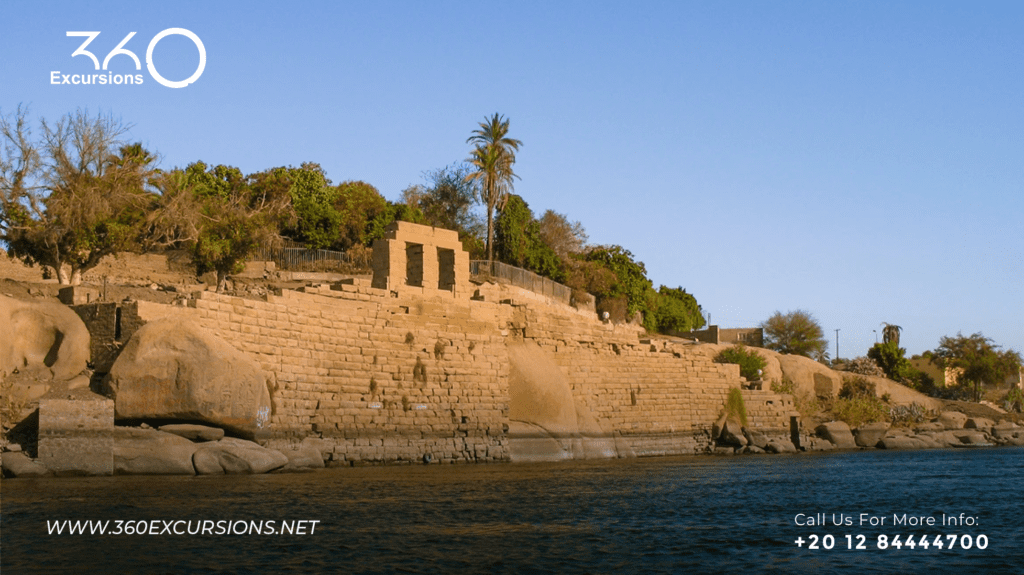
Ruins Of Abu
The Ruins Of Abu Represent The Ancient City That Once Occupied Elephantine Island. Archaeological Excavations Have Revealed:
- Temples Dedicated To Khnum, Satet, And Anuket
- Ancient City Walls
- Residential Buildings
- Nilometers Used To Measure Nile Floods
Travelers Interested In Ancient Temple Landscapes Across Upper Egypt Often Compare These Ruins With Major sites Like Kom Ombo Temple, Which Also Sits Along The Nile And Reflects How River Geography Shaped Sacred Architecture.
Nubian Villages
One Of The Most Memorable Experiences On Elephantine Island Is Visiting Its Nubian Villages. These Villages Are Known For:
- Brightly Painted Houses
- Traditional Nubian Architecture
- Warm Hospitality
- Handmade Crafts And Jewelry
Visitors Often Stop For Tea With Local Families Or Purchase Handmade Souvenirs. To Explore More Living Nubian Culture Nearby, Many Visitors Also Visit the Nubian Village As Part Of Their Aswan Stay.
Best Time To Visit
The Best Time To Visit Elephantine Island Is During The Cooler Months From October To April, When Walking And Outdoor Exploration Are Comfortable. Ideal Times Of Day Include:
- Morning: Soft Light And Peaceful Atmosphere
- Late Afternoon: Golden Reflections On The Nile
- Sunset: Stunning Views Over Aswan And The River
Elephantine Island Is Less Crowded Than Many Major Sites, Making It Enjoyable Throughout The Day. Visitors With Time Often Extend Their Southern Egypt route To Abu Simbel Egypt For One Of The Most Iconic Monumental Experiences In The Region.
How To Reach The Island
Reaching The Island Is Simple And Enjoyable, And The Journey Is Part Of The Experience.
Felucca
Traditional Feluccas Depart Regularly From Aswan’s Corniche And Offer A Slow, Scenic Ride. Feluccas Are Ideal For:
- Photography
- Relaxed Travel
- Experiencing Traditional Nile Sailing
Motorboat
Motorboats Provide A Faster Option And Operate Throughout The Day. They Are Convenient For Visitors Short On Time Or Traveling In Groups. Travelers Exploring Aswan’s core highlights often plan routes that also include The High Dam Of Egypt And Temple of Philae, Both Easy To Reach From The City Center.

Conclusion
Elephantine Island Is A Rare Destination Where Ancient History And Living Culture Exist Side By Side. With Its Nubian Heritage, Archaeological Ruins, Peaceful Villages, And Stunning Nile Views, The Island Offers An Authentic And Enriching Experience Unlike Any Other Place In Aswan. Whether You Are Exploring Ancient Temples, Walking Through Colorful Nubian Streets, Or Sailing Across The Nile, Elephantine Reveals A Deeper, More Human Side Of Egypt’s Timeless Story. Many Travelers Continue Their Nile Journey Toward Historic sites Near Lake Nasser In Africa, Where ancient landscapes and monuments connect Southern Egypt’s past and present.
FAQs
Is Elephantine Island Worth Visiting?
It Offers A Unique Combination Of History, Culture, And Peaceful Nile Life.
How Long Should I Spend On Elephantine Island?
Most Visitors Spend 2–3 Hours, Though Half A Day Is Ideal.
Is The Island Suitable For Children?
It Is Safe And Open, But Supervision Is Recommended Near The Water.
Can I Combine Elephantine Island With Other Sites?
It Is Easily Combined With Aswan Museum, Nubian Village Visits, Or A Felucca Ride.
Is There An Entry Fee?
Some Sites Like The Aswan Museum And Ruins Require Tickets; Village Areas Are Free To Explore.