


Complete Guide to the Valley Temple of Khafre
The Valley Temple Is One Of The Most Remarkably Preserved Structures From Ancient Egypt’s Old Kingdom And A Key Element Of The Giza Egypt Complex. Located At The Foot Of The Giza Plateau Near the Great Pyramids of Giza, The Valley Temple Served As A Sacred Transition Space Between Life, Death, And Eternity. For Visitors Exploring Giza, The Valley Temple Offers A Rare Opportunity To Step Inside An Authentic Ritual Structure That Played A Central Role In Royal Funerary Ceremonies More Than 4,500 Years Ago.
This Complete Guide To The Valley Temple Explores Its Overview, Purpose, Historical Background, Architectural Highlights, Visiting Information, How To Reach The Site, And Frequently Asked Questions — Providing A Clear And In-Depth Understanding Of One Of Giza’s Most Important Yet Often Overlooked Monuments.
Overview
Valley Temple of Khafre Is Located On The Eastern Edge Of The Giza Plateau And Is Directly Associated With The Pyramid Of Khafre. The Valley Temple Was Constructed Using Massive Limestone And Granite Blocks And Remains Exceptionally Intact Compared To Other Structures Of Its Era.
It Forms Part Of The Larger Giza Necropolis That Also Includes Saqqara Pyramids And Dahshur Pyramids, Showcasing The Evolution Of Royal Funerary Architecture.
Purpose Of The Valley Temple
The Valley Temple Played A Crucial Role In Ancient Egyptian Funerary Rituals. It Was The First Sacred Structure Encountered During The Pharaoh’s Burial Procession After The Body Arrived From The Nile.
The Purpose Of The Valley Temple Included:
- Receiving The Pharaoh’s Body Upon Arrival
- Performing Purification And Mummification Rituals
- Preparing The King For The Afterlife
- Serving As A Ceremonial Gateway To The Mortuary Temple
As Such, The Valley Temple Was A Space Where Earthly Life Ended And Divine Eternity Began.
Connection To The Sphinx
One Of The Most Fascinating Aspects Of The Valley Temple Is Its Direct Physical And Symbolic Connection To The Sphinx Statue. The Temple Is Located Just Beside The Sphinx Enclosure, And Many Scholars Believe The Two Monuments Were Designed As Part Of A Unified Sacred Complex.
Together With The Sphinx, The Temple Completes The Ritual Landscape That Visitors Also Explore When Touring The Valley Temple Area Of The Plateau.
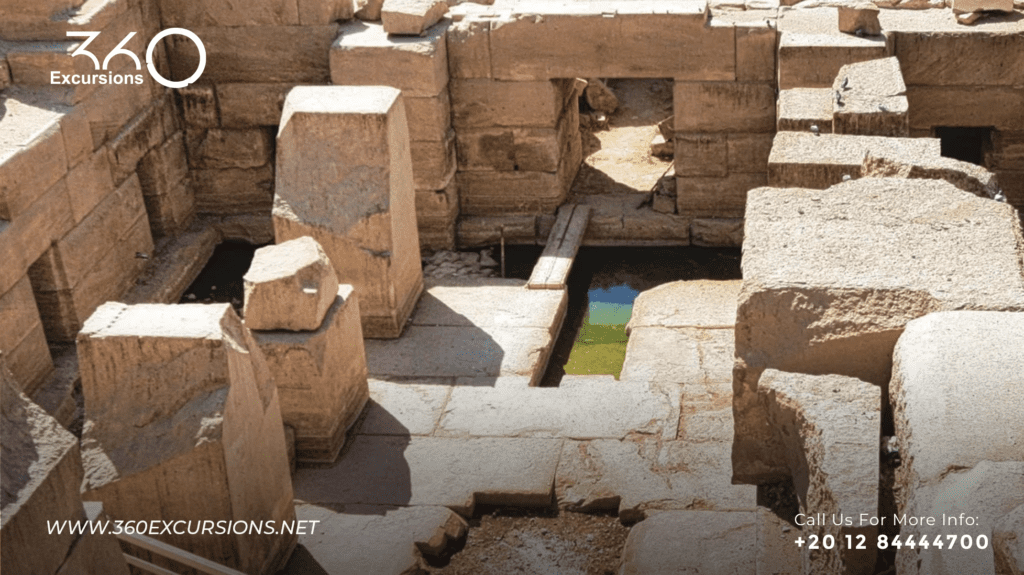
History
The History Of The Valley Temple Reflects The Architectural Genius And Religious Beliefs Of The Old Kingdom.
Its Construction Took Place During The Reign Of Pharaoh Khafre, The Same King Responsible For The Second Pyramid At Giza And Likely Associated With The Construction Of The Sphinx.
Old Kingdom Architectural Features
The Valley Temple Is A Masterpiece Of Old Kingdom Architecture, Characterized By Monumental Simplicity, Precision Stonework, And Symbolic Design.
Key Old Kingdom Features Include:
- Massive Limestone Core Blocks
- Smooth Red Granite Cladding
- Perfectly Aligned Pillars And Walls
- Minimal Decorative Elements Emphasizing Form And Power
This Architectural Style Conveyed Permanence, Stability, And Divine Order — Core Values Of Ancient Egyptian Kingship.
Excavation History
The Valley Temple Was Buried Under Sand And Debris For Centuries Before Being Rediscovered By Modern Archaeologists. Excavations In The 19th And Early 20th Centuries Revealed Its Remarkable State Of Preservation.
Excavation Highlights Include:
- Discovery Of Original Granite Floors
- Identification Of Statue Niches
- Recovery Of Diorite Statues Of Khafre
- Recognition Of The Temple’s Ritual Layout
Some Of The Discovered Statues Are Now Displayed In The the Grand Egyptian Museum, Offering Visitors Additional Context About The Temple’s Royal Sculptural Program.
Highlights
Walking Through The Valley Temple Allows Visitors To Experience Ancient Egyptian Architecture At Its Most Powerful And Intimate Scale.
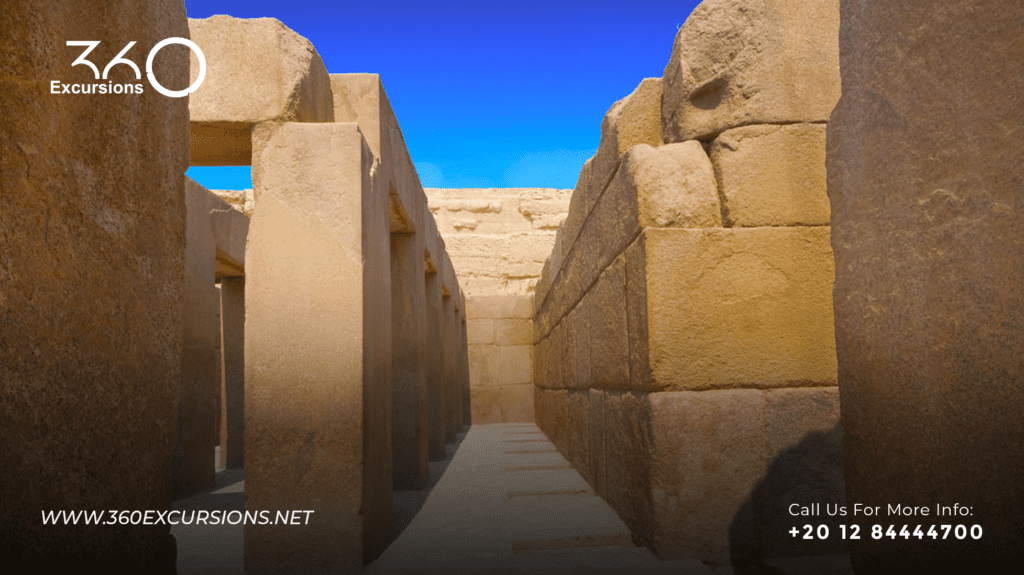
Granite Pillars
The Granite Pillars Of The Valley Temple Are Among Its Most Striking Features. These Tall, Rectangular Columns Support Massive Stone Architraves And Create A Sense Of Monumental Calm.
Pillar Highlights Include:
- Polished Red Granite Surfaces
- Precise Geometric Proportions
- Exceptional Stone Preservation
- Dramatic Light And Shadow Effects
The Pillars Reflect The Technical Mastery Of Old Kingdom Builders.
Mortuary Chambers
The Mortuary Chambers Within The Valley Temple Were Used For Ritual Preparation Rather Than Burial. These Spaces Played A Key Role In Ceremonies That Transformed The Pharaoh Into A Divine Being.
Statue Niches
Along The Interior Walls Of The Valley Temple Are Niches That Once Held Royal Statues Of Pharaoh Khafre, Many Of Which Were Carved From Diorite.
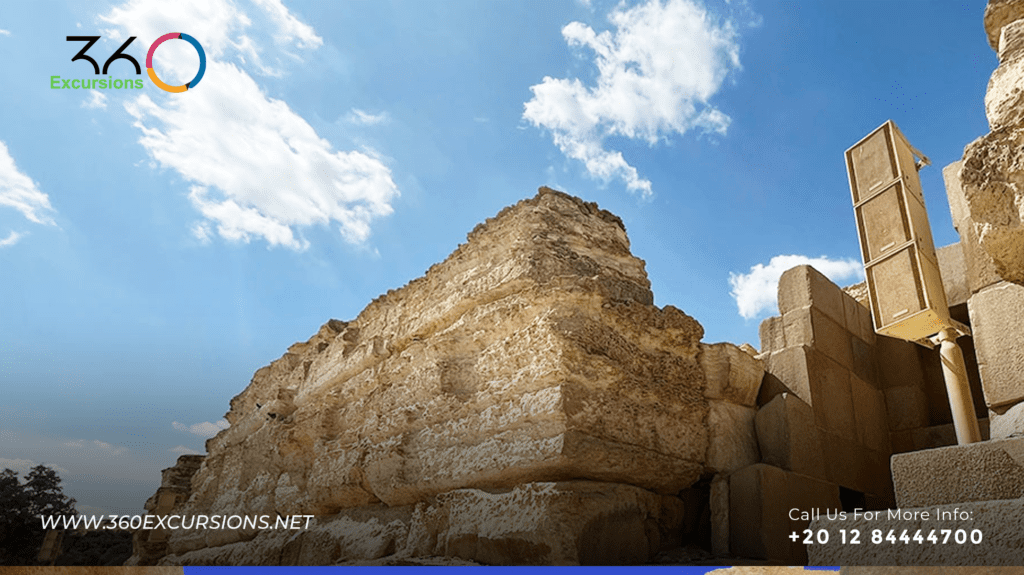
Visiting Information
The Valley Temple Is Open To Visitors As Part Of The Giza Plateau Complex, Which Also Includes Sites Like Ancient Memphis Egypt For Those Exploring Greater Cairo’s Archaeological Landscape.
Important Visiting Information Includes:
- Included With Giza Plateau Entry Ticket
- Open Daily During Daylight Hours
- Visit Duration Of 20–40 Minutes
- Photography Allowed Without Flash
How To Reach
The Valley Temple Is Easily Accessible From The Giza Plateau Entrance. Many Visitors Choose A Structured Experience Such As A Cairo Day Trip by bus Or A Cairo Day Trip by Plane To Explore The Plateau With Expert Guidance.
For Travelers Staying Longer In Egypt, It Is Common To Combine Giza With A Cairo and Alexandria tour To Experience Both Pharaonic And Mediterranean Heritage.
Ways To Reach The Valley Temple Include:
- Walking From The Sphinx Area
- Guided Tours Of The Giza Complex
- Private Vehicles Or Taxis To Giza
Conclusion
The Valley Temple Is A Rare Architectural Time Capsule That Allows Visitors To Experience The Sacred Heart Of Ancient Egyptian Funerary Rituals. From Its Massive Granite Pillars And Carefully Designed Chambers To Its Powerful Connection With The Sphinx And The Pyramid Of Khafre, The Valley Temple Stands As A Testament To Old Kingdom Engineering, Spiritual Belief, And Royal Authority. Whether Visited Independently Or As Part Of A Larger Program That Includes The National Museum Of Egyptian Civilization, The Valley Temple Remains One Of Giza’s Most Authentic And Atmospherically Powerful Monuments.
FAQs
Is The Valley Temple Worth Visiting?
It Is One Of The Best-Preserved Old Kingdom Structures In Egypt.
How Old Is The Valley Temple?
Approximately 4,500 Years Old.
Is There A Separate Ticket?
It Is Included With The Giza Plateau Ticket.
Can I Visit Without A Guide?
But A Guide Adds Valuable Context.
Is The Valley Temple Crowded?
Usually Less Crowded Than The Pyramids Or Sphinx.