


Complete Guide to the Tomb of Nefertari
The Tomb Of Nefertari Is Widely Regarded As The Most Beautiful Tomb Ever Discovered In Ancient Egypt — A Masterpiece Of Art, Color, And Spiritual Symbolism Hidden Within The Valley Of The Queens Near Luxor. Known Officially As QV66, The Tomb Of Nefertari Was Built For Queen Nefertari Meritmut, The Great Royal Wife Of Pharaoh Ramses II. With Its Vivid Wall Paintings, Perfectly Preserved Colors, And Deep Religious Meaning, The Tomb Of Nefertari Offers An Unparalleled Window Into Ancient Egyptian Beliefs About The Afterlife.
This Complete Guide To The Tomb Of Nefertari Explores Its Overview, History, Interior Highlights, Entrance Rules, Tickets And Prices, And Frequently Asked Questions — Helping You Understand Why This Tomb Is Considered One Of The Greatest Artistic Achievements Of Ancient Civilization In Luxor Museum And Beyond.
Overview
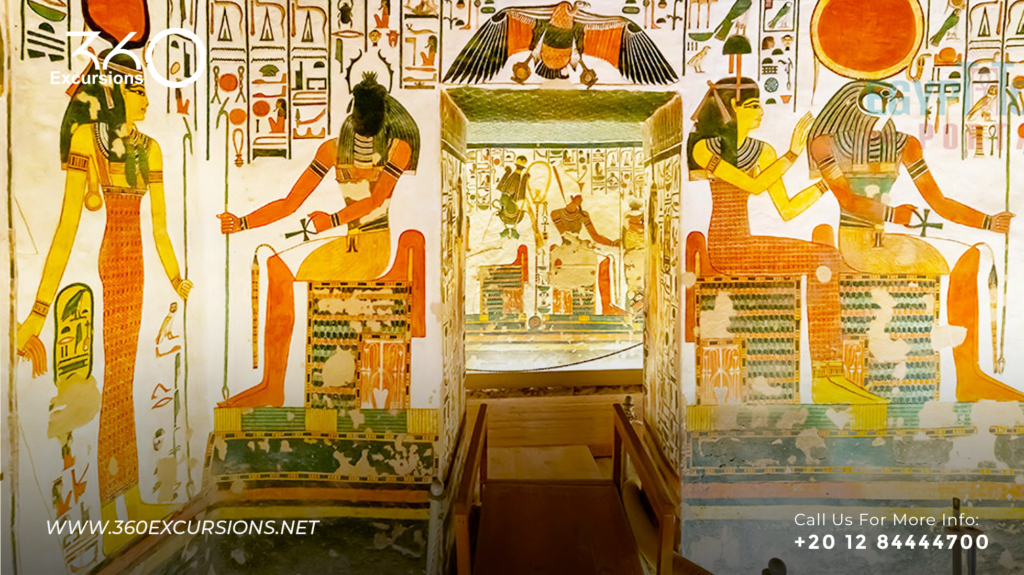
Tomb Of Nefertari Is Located In The Valley Of The Queens On Luxor’s West Bank, A Sacred Burial Ground Reserved For Royal Women And Princes Of The New Kingdom, Not Far From The Famous Valley Of The Kings. Unlike Most Tombs, Which Feature Muted Or Damaged Artwork, The Tomb Of Nefertari Is Celebrated For Its Astonishing State Of Preservation.
Why It’s Called The Sistine Chapel Of Ancient Egypt
The Tomb Of Nefertari Is Often Called The “Sistine Chapel Of Ancient Egypt” Because Of The Extraordinary Quality, Completeness, And Color Saturation Of Its Wall Paintings. Just As Michelangelo’s Frescoes Define Renaissance Art, The Paintings Inside The Tomb Of Nefertari Represent The Absolute Peak Of Ancient Egyptian Tomb Art.
This Comparison Is Earned Because:
- Colors Remain Bright After Over 3,000 Years
- Figures Are Perfectly Proportioned And Elegant
- Scenes Cover Nearly Every Wall And Ceiling
- Religious Texts Are Integrated With Art Seamlessly
Every Surface Inside The Tomb Of Nefertari Is Alive With Imagery, Creating An Immersive Sacred Environment Unlike Any Other Tomb In Egypt.
History
The History Of The Tomb Of Nefertari Is Closely Linked To One Of Egypt’s Most Powerful Pharaohs And One Of Its Most Influential Queens.
Queen Nefertari’s Life
Queen Nefertari Meritmut Was The Principal Wife Of Ramses II And One Of The Most Prominent Women Of The New Kingdom. She Was Highly Educated, Politically Influential, And Deeply Revered By Her Husband, Whose Monuments Include The Colossal Statue Of Ramses II.
Nefertari’s Importance Is Reflected In:
- Diplomatic Correspondence With Foreign Courts
- Her Prominent Depictions In Temples Across Egypt
- The Exceptional Quality Of Her Tomb
- Titles Emphasizing Wisdom And Divine Favor
Ramses II’s Devotion To Nefertari Is Evident In The Care And Resources Invested In Creating The Tomb Of Nefertari.
Discovery & Restoration
The Tomb Of Nefertari Was Discovered In 1904 By Italian Archaeologist Ernesto Schiaparelli. Although The Tomb’s Paintings Were Immediately Recognized As Exceptional, Years Of Flooding, Salt Damage, And Human Activity Had Taken A Toll.
A Major Restoration Project Was Undertaken In The Late 20th Century By International Conservation Teams. This Meticulous Process Took Years And Involved:
- Stabilizing Plaster And Pigments
- Removing Harmful Salt Deposits
- Controlling Humidity And Airflow
- Establishing Strict Visitor Limits
Thanks To This Restoration, The Tomb Of Nefertari Is Now Preserved As One Of The Best-Conserved Ancient Tombs In The World.
What To See Inside
Entering The Tomb Of Nefertari Is A Rare Privilege That Reveals A Complete Spiritual Journey From Death To Eternal Life.
Painted Corridors
The Corridors Of The Tomb Of Nefertari Are Covered With Brilliantly Painted Scenes From Ancient Egyptian Funerary Texts, Including Chapters From The Book Of The Dead.
Highlights Of The Painted Corridors Include:
- Nefertari Guided By Protective Deities
- Vivid Reds, Blues, Yellows, And Greens
- Hieroglyphs That Appear Freshly Painted
- Perfectly Balanced Artistic Composition
These Corridors Were Designed To Symbolically Guide The Queen Through The Underworld Toward Rebirth.
Burial Chamber Art
The Burial Chamber Of The Tomb Of Nefertari Is The Emotional And Artistic Center Of The Tomb. Every Wall Is Decorated With Sacred Scenes Depicting Transformation, Judgment, And Union With The Gods.
Burial Chamber Highlights Include:
- Images Of Osiris, Isis, And Anubis
- Star-Filled Ceilings Symbolizing The Cosmos
- Nefertari Presented As A Divine Being
- Ritual Scenes Representing Eternal Renewal
Standing Inside This Chamber Is Often Described As A Spiritual And Emotional Experience, Even For Non-Religious Visitors.

Entrance Rules
Due To Its Fragile Condition, The Tomb Of Nefertari Is Subject To Some Of The Strictest Access Rules In Egypt.
Limited Visitors
Only A Very Small Number Of Visitors Are Allowed Inside The Tomb Of Nefertari Each Day. This Restriction Helps Control Humidity And Protect The Paintings.
Visitor Limits Mean:
- Short Time Slots Inside The Tomb
- Advance Planning Is Essential
- Tickets May Sell Out Quickly
- Quiet, Controlled Entry Experience
This Limited Access Preserves The Tomb For Future Generations.
Camera Restrictions
Photography Inside The Tomb Of Nefertari Is Strictly Regulated.
Camera Rules Include:
- Photography Often Prohibited Entirely
- No Flash Photography Under Any Circumstances
- No Tripods Or Video Equipment
- Staff Enforcement Of Rules
These Restrictions Protect The Delicate Pigments From Light Damage.
Tickets & Prices
Tickets To The Tomb Of Nefertari Are Among The Most Expensive Archaeological Tickets In Egypt, Reflecting Its Rarity And Preservation Needs.
General Ticket Information Includes:
- Separate Ticket From Valley Of The Queens Entry
- Significantly Higher Price Than Other Tombs
- Limited Daily Availability
- Subject To Change Based On Conservation Policy
Despite The Cost, Many Travelers Combine This Visit With A Broader Upper Egypt Journey Such As A Luxor Day Trip By Plane From Sharm El Sheikh Or A Multi-Site Experience Including The Cairo And Alexandria 2 Day Tour For A Comprehensive Exploration Of Ancient Egypt.

Conclusion
The Tomb Of Nefertari Is More Than An Archaeological Site — It Is A Masterpiece Of Human Creativity, Faith, And Artistic Perfection. From Its Luminous Paintings And Sacred Texts To Its Carefully Preserved Atmosphere, The Tomb Of Nefertari Represents The Highest Achievement Of Ancient Egyptian Funerary Art. Many Visitors Combine This Experience With Iconic Sites Such As The Temple Of Hatshepsut Or The Grand Complex Of Karnak Temple Luxor, Creating A Journey Through The Spiritual And Artistic Legacy Of The New Kingdom.
FAQs
Is The Tomb Of Nefertari Worth Visiting?
It Is Widely Considered The Most Beautiful Tomb In Egypt.
How Long Is The Visit?
Approximately 10–15 Minutes Inside The Tomb.
Is The Tomb Of Nefertari Always Open?
It May Close Temporarily For Conservation.
Can Children Visit The Tomb?
Yes — But Strict Rules Apply.
Do I Need A Guide?
A Guide Enhances Understanding But Must Remain Outside During Entry.


