


Complete Guide to the National Museum of Egyptian Civilization
The National Museum Of Egyptian Civilization Is Egypt’s Most Modern, Comprehensive, And Conceptually Innovative Museum — A Landmark That Tells The Full Story Of Egypt From Prehistoric Times To The Present Day. Located In Old Cairo Near Fustat Lake, The National Museum Of Egyptian Civilization Was Designed To Present Egyptian history as a continuous, living civilization rather than a collection of isolated ancient artifacts. With state-of-the-art galleries, immersive displays, and the world-famous Royal Mummies Hall, The National Museum has quickly become one of Cairo’s most important cultural destinations.
This Complete Guide To The National Museum Covers Its Overview, Main Galleries, Museum Layout, Tickets And Transportation Helping You Plan A Meaningful And Memorable Visit To Egypt’s Flagship Museum.
Overview Of The National Museum Of Egyptian Civilization
The National Museum Of Egyptian Civilization Is Unique Because It Focuses On The Entire Timeline Of Egypt’s Civilization — Not Just Ancient Egypt. While many museums emphasize pharaonic artifacts alone, The National Museum Of Egyptian Civilization connects prehistoric cultures, ancient kingdoms, Greco-Roman periods, Coptic and Islamic heritage, and modern Egyptian identity in one cohesive narrative — making it a perfect complement to other major Cairo institutions such as the Grand Egyptian Museum.
Opened officially to the public in 2021, the museum gained worldwide attention during the Pharaohs’ Golden Parade, when 22 royal mummies were transferred there in a globally televised event. Since then, The National Museum Of Egyptian Civilization has stood as a symbol of cultural renewal, modern museum design, and national pride.
Why NMEC Is Egypt’s Modern Flagship Museum
The National Museum Of Egyptian Civilization Is Considered Egypt’s Flagship Museum Because:
- It Presents Egyptian History As One Continuous Civilization
- It Uses Advanced Lighting, Climate Control, And Display Technology
- It Houses The Royal Mummies In A Purpose-Built Gallery
- It Integrates Anthropology, Art, Daily Life, And Belief Systems
- It Offers A Calm, Educational, And Immersive Visitor Experience
Unlike traditional museums crowded with artifacts, NMEC focuses on storytelling, context, and interpretation — making history accessible to all visitors.
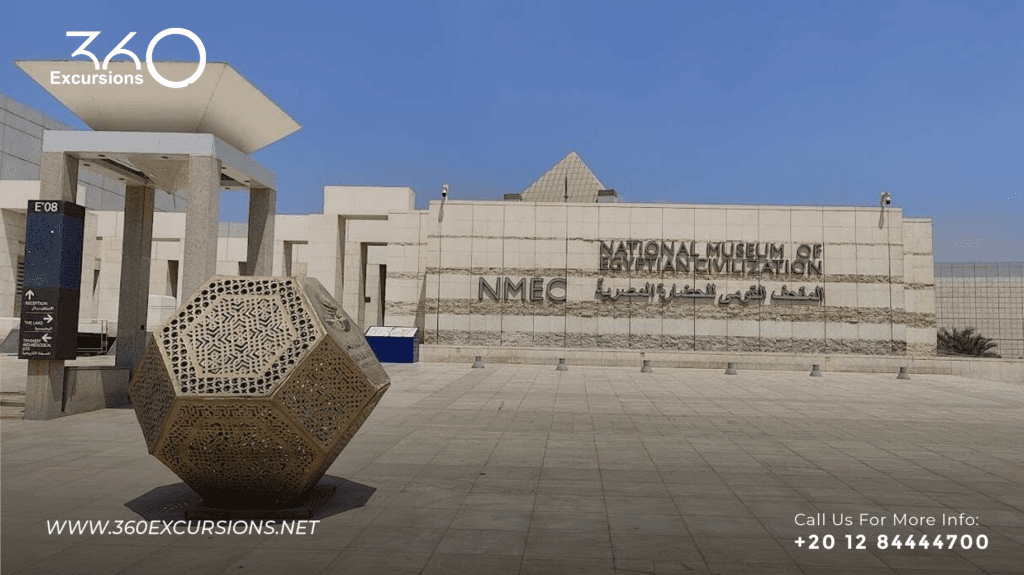
Main Galleries
The National Museum Of Egyptian Civilization Contains Several Key Galleries That Highlight Different Aspects Of Egyptian Life Across Thousands Of Years.
Royal Mummies Hall
The Royal Mummies Hall Is The Most Famous And Emotionally Powerful Section Of The National Museum Of Egyptian Civilization. This underground gallery recreates the atmosphere of a royal tomb, with dim lighting, dramatic sound design, and carefully controlled environmental conditions.
Inside the Royal Mummies Hall, visitors can see:
- Mummies Of Pharaohs Such As Ramses II, Seti I, Thutmose III, And Amenhotep I — including figures strongly connected to iconic monuments like The Statue of Ramses II
- Queens And Royal Family Members
- Individual Display Cases With Historical Context
- Biographical Panels Explaining Each Ruler’s Achievements
Each mummy is presented with dignity and respect, emphasizing the humanity behind the crowns. This hall alone makes The National Museum Of Egyptian Civilization a must-visit attraction.
Textile Gallery
The Textile Gallery At The National Museum Of Egyptian Civilization Offers A Rare Look Into One Of Egypt’s Oldest Industries. Textiles played a major role in Egyptian daily life, trade, religion, and burial customs.
The gallery includes:
- Ancient linen garments
- Coptic woven textiles
- Islamic-era fabrics
- Embroidered clothing
- Tools used in spinning and weaving
These displays show how Egyptian craftsmanship evolved while maintaining continuity in materials, techniques, and symbolism.
Pottery & Crafts
The Pottery & Crafts Section Highlights Everyday Life Across Egypt’s History. Visitors can explore:
- Prehistoric clay vessels
- Pharaonic pottery used for storage and rituals
- Roman and Islamic ceramics
- Glassware, baskets, and metal tools
- Artisan products from different historical periods
This gallery emphasizes how ordinary objects reflect social structure, economy, and cultural identity — a core concept of The National Museum Of Egyptian Civilization.
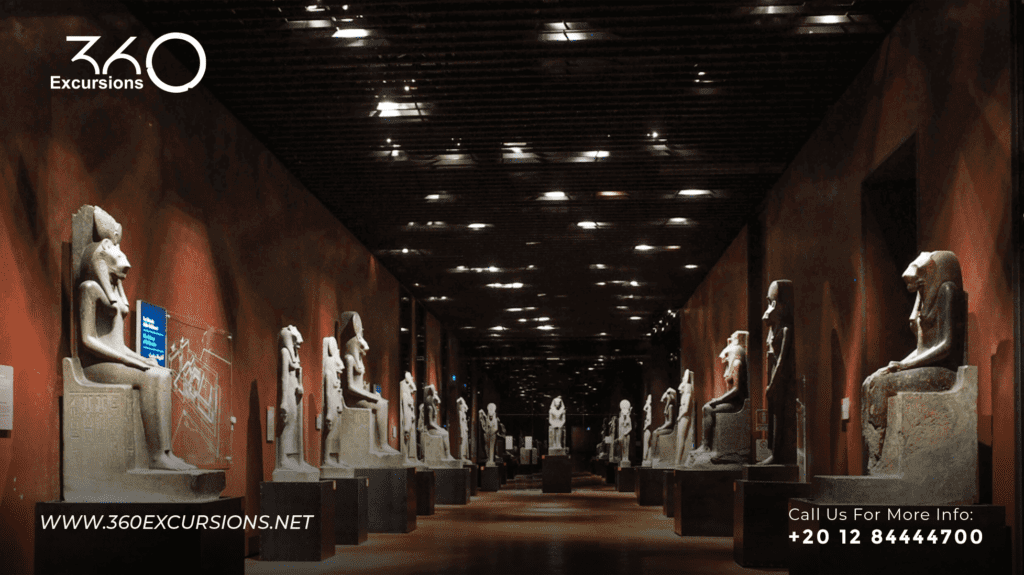
Museum Layout
The National Museum Of Egyptian Civilization Is Designed For Clarity, Flow, And Comfort — Making It Easy To Navigate And Enjoy.
The museum is divided into two main levels:
- Ground Level: Focuses on thematic galleries such as origins of civilization, Nile culture, writing, beliefs, crafts, and governance.
- Lower Level: Houses the Royal Mummies Hall and special exhibition spaces.
Wide corridors, clear signage, seating areas, and controlled lighting ensure a relaxed experience even during busy hours. The museum also includes a lake-facing terrace, gift shop, and café.
Tickets & Opening Hours
The National Museum Of Egyptian Civilization Is Open Daily, With Extended Hours On Weekends And Holidays.
Typical visiting information includes:
- Opening Hours: Morning Until Evening (Hours May Vary Seasonally)
- Tickets: Separate pricing for Egyptians, foreign visitors, students, and children
- Royal Mummies Hall: Requires a separate ticket
- Photography: Allowed in most areas, restricted in the mummies hall
Tickets can be purchased at the entrance, and guided tours are available for visitors who want deeper historical explanations.
How To Reach The Museum
The National Museum Of Egyptian Civilization Is Located In Old Cairo Near Fustat And Is Easily Accessible From Different Parts Of The City.
Transportation Options Include:
- Taxi Or Ride Apps: Uber And Careem Are The Most Convenient Options
- Private Tours: Often Combined With Islamic Cairo Or Old Cairo highlights like the Hanging Church and The Coptic Museum. If You Prefer A Structured Day Plan, Consider A Cairo Day Trip by bus Or A Faster Cairo Day Trip by Plane Depending On Your Starting City
- Metro: Nearest stations require a short taxi ride afterward
The museum’s location near historic Cairo makes it easy to combine with visits to Abu Serga Church, Ben Ezra Synagogue Cairo, and nearby heritage sites connected to early Cairo history like Babylon Fortress Cairo.
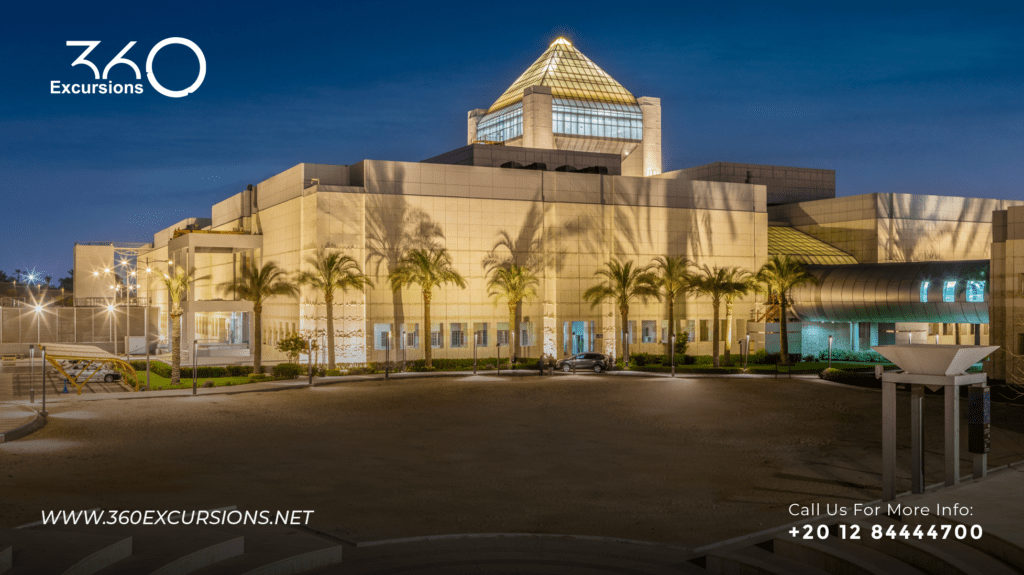
Conclusion
The National Museum Of Egyptian Civilization Represents A New Era In How Egypt Tells Its Story — One That Honors The Past While Embracing Modern Presentation, Technology, And Interpretation. From The Powerful Royal Mummies Hall To The Textile And Craft Galleries That Celebrate Everyday Life, The Museum Offers A Complete, Thoughtful, And Inspiring Journey Through Egyptian Civilization. Whether You Are Visiting Cairo For The First Time Or Returning With Deeper Curiosity, It’s Easy To Build A Full Itinerary By Pairing This Experience With Cairo icons such as Al Rifai Mosque and Sultan Hassan Mosque Cairo, then ending your day in the lively lanes of Khan Al-Khalili Cairo. If You Want To Extend Beyond Cairo, A Cairo and Alexandria tour Is A Popular Way To Combine Egypt’s Major Cultural Cities In One Trip.
FAQs
Is The National Museum Of Egyptian Civilization Worth Visiting?
It Is One Of The Most Important Museums In Egypt And Offers A Unique Perspective On Egyptian History.
How Long Does A Visit Take?
Most Visitors Spend 2–3 Hours, Especially If Visiting The Royal Mummies Hall.
Is The Museum Suitable For Children?
Interactive displays and clear storytelling make it family-friendly.
Can I Visit NMEC And The Egyptian Museum In One Day?
It’s possible but not recommended; each museum deserves its own visit.
Is The Royal Mummies Hall Included In The Main Ticket?
It Requires A Separate Ticket.
Is The Museum Wheelchair Accessible?
The Museum Is Fully Accessible.