


Complete Guide to Al Rifai Mosque in Cairo
Al Rifai Mosque Is One Of Cairo’s Most Majestic And Symbolically Powerful Religious Monuments — A Place Where Royal History, Architectural Grandeur, And Spiritual Presence Come Together In A Single Monumental Structure. Located In The Heart Of Islamic Cairo, And Standing Directly Opposite Sultan Hassan Mosque Cairo, Al Rifai Mosque Serves Not Only As A Place Of Worship But Also As A Royal Mausoleum That Houses The Tombs Of Egyptian Kings And International Figures. With Its Massive Scale, Refined Marble Interior, And Harmonious Blend Of Architectural Styles, Al Rifai Mosque Represents A Unique Chapter In Egypt’s Islamic And Modern History.
This Complete Guide To Al Rifai Mosque In Cairo Explores Its Overview, Historical Background, Architectural Features, Visiting Information, And Frequently Asked Questions — Offering A Deep And Accessible Understanding Of One Of Cairo’s Most Important Mosques.
Overview Of Al Rifai Mosque
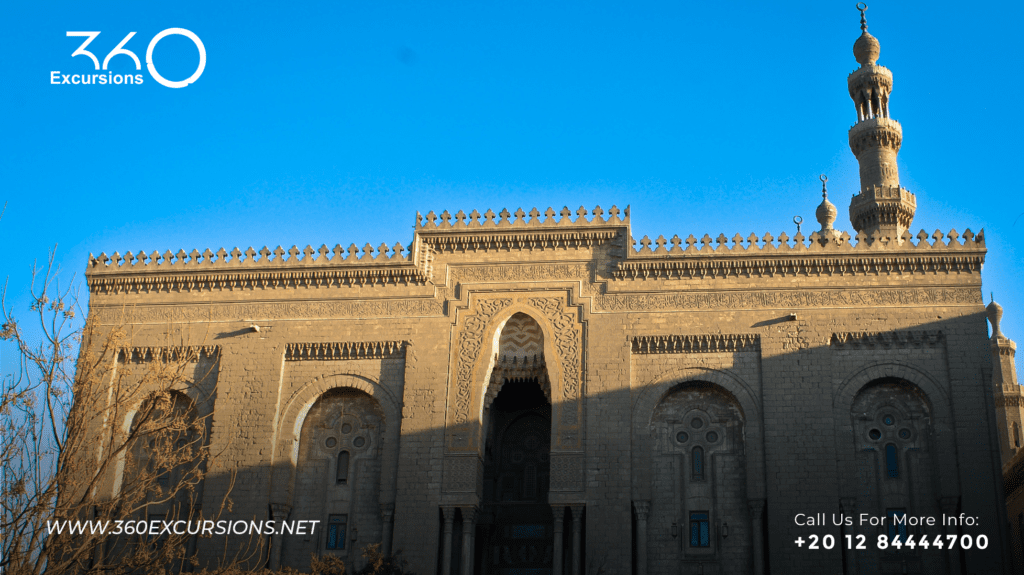
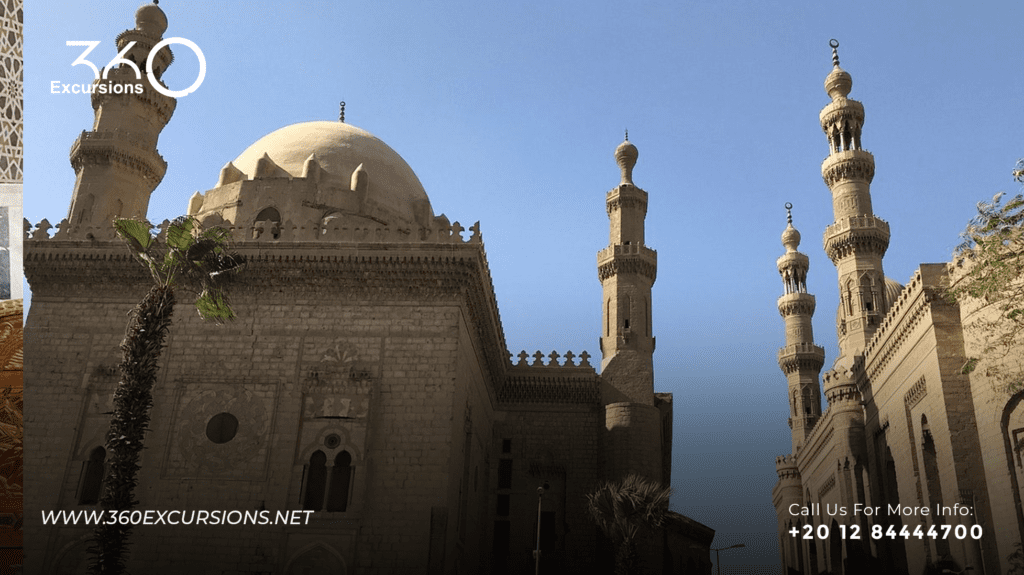
Al Rifai Mosque Is A Monumental Mosque Located In The Historic District Of Islamic Cairo, Facing The Iconic Sultan Hassan Mosque Across A Narrow Street. Its Strategic Placement Creates One Of The Most Striking Architectural Pairings In The Islamic World, Near Landmarks Such As Al Azhar Mosque Cairo And El Moez Street Cairo.
Royal Burial Mosque Facing Sultan Hassan Mosque
Al Rifai Mosque Is Distinguished By Its Dual Role As Both A Religious Space And A Royal Burial Mosque. Unlike Most Mosques, Which Are Solely Places Of Prayer, Al Rifai Mosque Was Designed To Serve As The Final Resting Place For Members Of Egypt’s Royal Family. The Mosque’s Royal Function Includes:
- Tombs Of Egyptian Monarchs
- Burial Site Of King Farouk
- Mausoleum Of The Last Shah Of Iran
- Memorial Space For Royal Lineage
Facing Sultan Hassan Mosque, Al Rifai Mosque Forms A Visual Dialogue Between Medieval Mamluk Architecture And Modern Royal Patronage.
Ottoman–Mamluk Blend
Al Rifai Mosque Is Architecturally Unique Due To Its Blend Of Ottoman And Mamluk Influences. While It Was Constructed In The Late 19th And Early 20th Centuries, The Mosque Was Intentionally Designed To Harmonize With The Medieval Structures Around It. Architectural Influences Include:
- Mamluk Monumental Scale And Proportions
- Ottoman Decorative Refinement
- Neo-Islamic Revival Elements
- Traditional Cairene Stonework
This Blend Makes Al Rifai Mosque A Bridge Between Cairo’s Past And Modern Eras.
History
The History Of Al Rifai Mosque Reflects Egypt’s Transition From Ottoman Rule To A Modern Monarchy While Preserving Deep Islamic Traditions.
Construction Timeline
The Construction Of Al Rifai Mosque Began In 1869 Under The Patronage Of Khoshiar Hanim, The Mother Of Khedive Ismail. Her Vision Was To Create A Mosque That Would Serve As A Family Mausoleum And A Center Of Religious Importance.
Key Stages Include:
- Initial Foundation In The Late 19th Century
- Construction Delays Due To Political And Financial Changes
- Resumption Under Sultan Hussein Kamel
- Completion In 1912
Royal Tombs (Kings & Shah Of Iran)
One Of The Most Unique Aspects Of Al Rifai Mosque Is Its Role As A Royal Mausoleum. The Mosque Contains The Tombs Of Several Important Figures In Egyptian And International History.
Notable Tombs Include:
- King Farouk Of Egypt
- King Fuad I
- Sultan Hussein Kamel
- Reza Shah Pahlavi, Shah Of Iran
The Presence Of The Shah Of Iran Makes Al Rifai Mosque One Of The Few Places Outside Iran Where A Foreign Monarch Is Buried In An Islamic Royal Mausoleum.
Key Features
Marble Interior
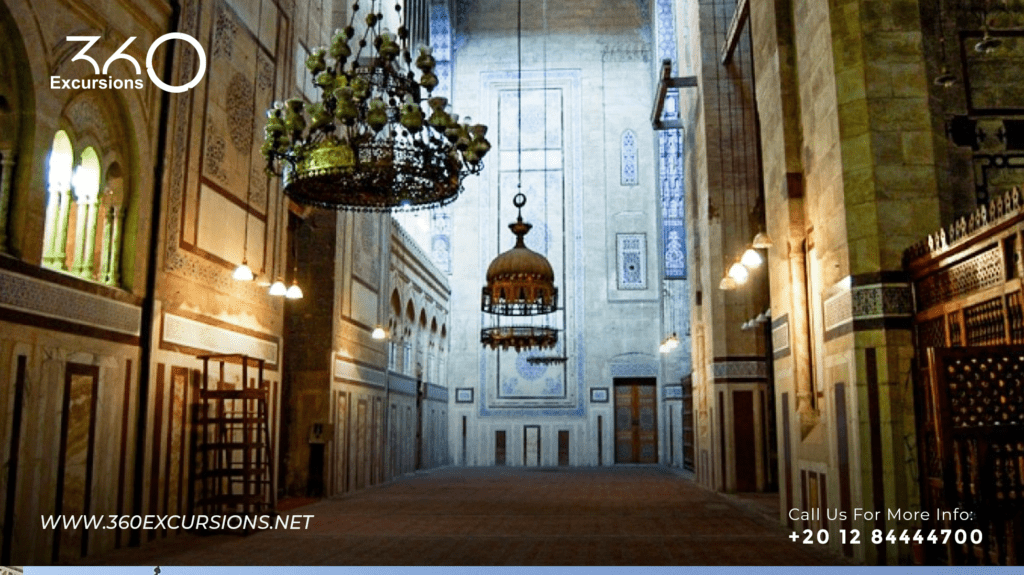
The Interior Of Al Rifai Mosque Is Dominated By Rich Marble Surfaces That Cover Walls, Columns, And Floors, Comparable In Elegance To The Interiors Of Mosque of Ibn Tulun.
Marble Features Include:
- Polished Stone Walls
- Intricately Patterned Floors
- Decorative Inlays And Borders
- Harmonious Color Tones
Large Iwans
Al Rifai Mosque Features Large Iwans That Open Onto The Central Prayer Area, Creating Monumentality And Symmetry Within The Structure.
Dome & Decorations
The Dome Of Al Rifai Mosque Is One Of Its Most Impressive Visual Elements, Featuring Geometric Patterns And Quranic Calligraphy That Emphasize Spiritual Elevation.
Visiting Information
Al Rifai Mosque Is Open To Visitors And Remains An Active Place Of Worship.
Dress Code
Visitors Must Follow A Modest Dress Code In Keeping With Islamic Traditions.
Photography
Photography Is Generally Allowed Without Flash And With Respect For Worshippers.
How To Visit
Al Rifai Mosque Is Often Included In Guided Tours Of Islamic Cairo. Travelers Based In Sharm El Sheikh Commonly Choose The Cairo Day Trip by Plane For A Quick Cultural Visit.
Budget Travelers Frequently Book The Cairo Day Trip by bus To Explore Historic Cairo.
For A Broader Cultural Experience Combining The Capital And The Mediterranean, Many Visitors Select The Cairo and Alexandria tour, Which Includes Major Religious And Historical Sites.
Conclusion
Al Rifai Mosque Stands As A Monument To Power, Faith, And Architectural Harmony In The Heart Of Cairo. From Its Royal Tombs And Marble-Clad Interior To Its Strategic Position Facing Sultan Hassan Mosque, Al Rifai Mosque Tells A Story That Bridges Medieval Islamic Tradition And Modern Royal History. Together With Other Cairo Landmarks Such As Ben Ezra Synagogue Cairo And the Hanging Church, It Forms Part Of Cairo’s Diverse Religious Heritage.
FAQs
Is Al Rifai Mosque Worth Visiting?
It Is One Of Cairo’s Most Important And Unique Mosques.
How Long Does A Visit Take?
Approximately 45–60 Minutes.
Is Al Rifai Mosque Still Active For Prayer?
It Remains An Active Mosque.
Can Non-Muslims Visit Al Rifai Mosque?
Yes, Outside Prayer Times And With Proper Dress.
Is A Guide Recommended?
A Guide Helps Explain Royal Tombs And Architectural Details.