


Complete Guide to Al Azhar Mosque Cairo
Al Azhar Mosque Cairo Is One Of The Most Important And Influential Islamic Institutions In The World — A Spiritual, Historical, And Educational Center That Has Shaped Islamic Scholarship For More Than A Thousand Years. Founded In 970 AD During The Fatimid Era, Al Azhar Mosque Cairo Stands Today As A Symbol Of Learning, Faith, And Architectural Beauty. Its Elegant Courtyards, Unique Minarets, And Grand Prayer Halls Make It A Must-Visit Destination For Anyone Exploring Islamic Cairo.
Many Travelers Plan Their Visit As Part Of A Full Cairo Itinerary Through Options Like A Cairo Day Trip by Bus Or A Cairo Day Trip by Plane, Especially When They Want To See Multiple Landmarks In One Day.
This Complete Guide To Al Azhar Mosque Cairo Covers Its Overview, History, Architecture, Visiting Information, Etiquette Guidelines, And FAQs — Ensuring You Enjoy A Deep And Respectful Experience At One Of Egypt’s Most Legendary Sites.
Overview Of Al Azhar Mosque
Al Azhar Mosque Cairo Holds A Unique Place In Islamic History As Both A Major Place Of Worship And A Globally Renowned Center Of Religious Scholarship. The Mosque Functions As The Heart Of Al Azhar University — The Oldest Continuously Operating University In The Islamic World And A Leading Institution For Sunni Islamic Studies.
Visitors To Al Azhar Mosque Cairo Are Often Struck By Its Serene Atmosphere, Elegant Architecture, And The Powerful Sense Of History That Fills Every Corner. Its Open Courtyards, Marble Floors, And Traditional Arches Reflect Centuries Of Devotion And Intellectual Achievement, And Many Visitors Also Explore The Nearby Khan Al-Khalili Cairo To Complete Their Old Cairo Experience.
Why It’s The Most Influential Islamic Institution In The World
Al Azhar Mosque Cairo Became The Most Influential Islamic Institution In The World Because Of Its Role As:
- A Global Center For Sunni Islamic Learning
- A University Offering Religious, Linguistic, And Legal Studies
- A Source Of Fatwas, Religious Guidance, And Interpretation
- A Symbol Of Moderation, Knowledge, And Scholarly Tradition
For Over A Millennium, Scholars From Around The World Have Traveled To Al Azhar Mosque Cairo To Study Quranic Sciences, Arabic Language, Hadith, Fiqh, And Islamic Philosophy. Its Teachings Helped Shape Muslim Thought Across Africa, Asia, And Europe. Today, It Continues To Guide Millions Through Education, Outreach, And Religious Leadership.
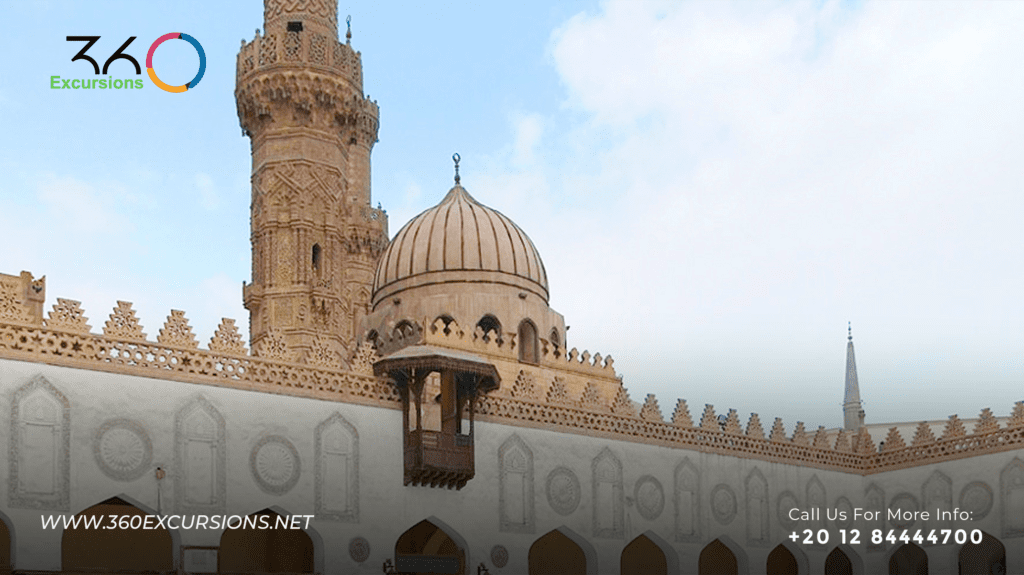
History
The History Of Al Azhar Mosque Cairo Reflects Egypt’s Transformation Through Dynasties, Architectural Styles, And Educational Growth.
Fatimid Foundation
Al Azhar Mosque Cairo Was Commissioned By The Fatimid Dynasty Shortly After Their Conquest Of Egypt. Construction Began In 970 AD Under The Rule Of Caliph Al Muizz Li Din Allah. The Mosque Was Named “Al Azhar” In Honor Of “Fatimah Al Zahra,” The Daughter Of Prophet Muhammad And An Honored Figure In Islam.
Initially Built As A Large Congregational Mosque, Al Azhar Soon Evolved Into A Center For Teaching. By 972 AD, It Had Already Welcomed Its First Classes, Marking The Birth Of What Would Become Al Azhar University. Visitors Interested In Cairo’s Religious Heritage Often Pair This Visit With Historic Sites Such As Sultan Hassan Mosque Cairo.
Major Renovations
Over Its Long History, Al Azhar Mosque Cairo Underwent Multiple Expansions And Renovations Led By Different Rulers:
- Ayyubid Period: Restoration And Strengthening After The Fatimids.
- Mamluk Period: Construction Of Several Minarets And Prayer Halls.
- Ottoman Period: Architectural Enhancements, Including Domes And Decorative Elements.
- Modern Era: Structural Upgrades While Preserving Historical Authenticity.
Each Dynasty Added Its Own Artistic Touch, Resulting In The Rich Architectural Diversity Visitors See Today, Similar To Other Historic Cairo Complexes Like Al Rifai Mosque.
Architecture
The Architecture Of Al Azhar Mosque Cairo Is A Harmonious Blend Of Fatimid, Mamluk, Ottoman, And Modern Styles — Reflecting Over 1,000 Years Of Islamic Art And Design.
Courtyards
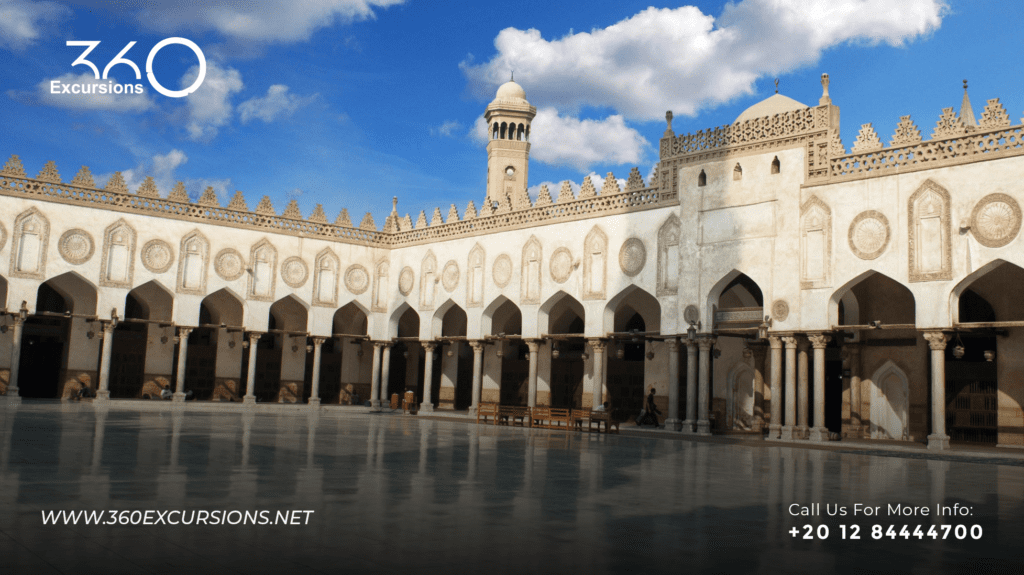
The Central Courtyard, Known As The “Sahn,” Is A Peaceful Open Area Surrounded By Elegant Arched Porticos. Its White Marble Flooring Gleams Under The Sunlight, Creating A Serene And Reflective Atmosphere. Students And Visitors Often Gather Here To Rest, Read, Or Quietly Observe The Surrounding Architecture.
The Courtyard Also Serves As A Transitional Space Connecting Different Prayer Halls And Teaching Areas, And Visitors Exploring Cairo’s cultural depth may also enjoy nearby museums like The Coptic Museum for broader historical context.
Minarets
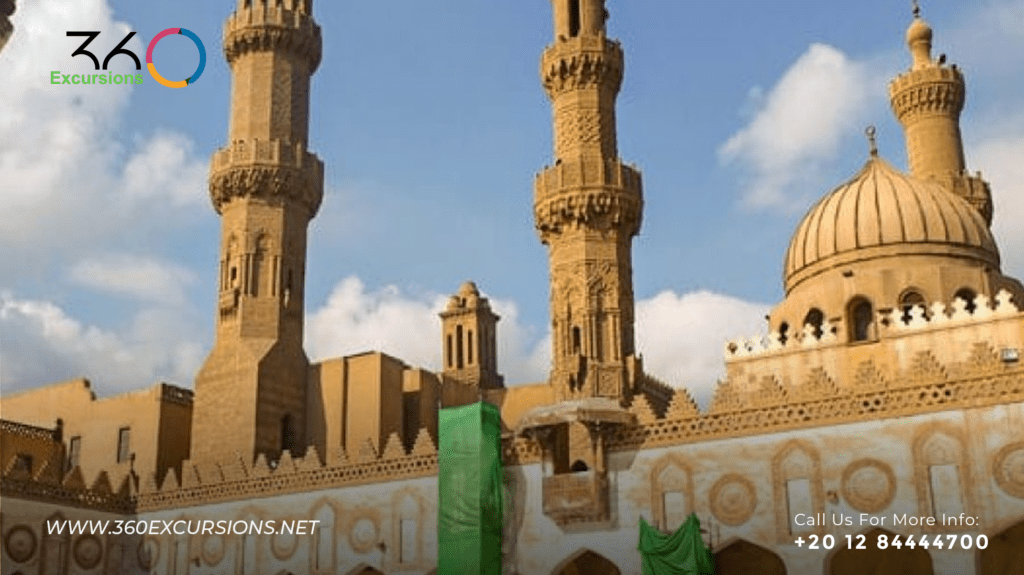
Al Azhar Mosque Cairo Features Some Of The Most Beautiful And Distinctive Minarets In Islamic Cairo. Each Minaret Represents The Architectural Style Of The Dynasty That Added It:
- Ayyubid Minaret With Its Strong, Simple Form
- Mamluk Minarets Known For Their Intricate Carved Details
- Ottoman Minaret With Elegant Curves And Decorative Elements
These Minarets Form One Of The Most Recognizable Skylines In Cairo — Especially When Illuminated At Night.
Prayer Halls
The Prayer Halls Of Al Azhar Mosque Cairo Showcase A Mixture Of Historical Styles. Inside, Visitors Find:
- Rows Of Carved Marble Columns
- Detailed Wooden Ceilings
- Traditional Hanging Lamps
- Expansive Carpeted Floors
Some Halls Date Back To The Fatimid Era, While Others Were Expanded By Mamluk And Ottoman Rulers. Together, They Create A Sacred Environment Rich With History And Faith.
Visiting Information
Al Azhar Mosque Cairo Welcomes Visitors Daily And Provides A Peaceful Environment For Worship, Study, And Cultural Exploration.
Key Visiting Information Includes:
- Hours: Generally Open From Morning Until Evening, But Visitors Should Avoid Prayer Times Unless Participating.
- Entry: Free Of Charge; Donations Are Welcome.
- Guides: Local Guides Are Often Available At The Entrance To Explain The Mosque’s History And Architecture.
- Shoes: Visitors Must Remove Shoes Before Entering Prayer Areas.
- Photography: Allowed In Most Areas, But Always Ask Before Photographing Worshippers.
The Mosque’s Central Location Makes It Easy To Combine With Other Old Cairo Landmarks, Including El Moez Street Cairo.
Dress Code & Etiquette
Because Al Azhar Mosque Cairo Is A Major Religious Institution, Visitors Should Follow Proper Dress And Behavior Guidelines.
Clothing Guidelines
- Women Should Wear Modest Clothing And Cover Their Hair.
- Men Should Avoid Shorts Or Sleeveless Shirts.
- Shoulders And Knees Must Be Covered For All Visitors.
Behavior Guidelines
- Keep Voices Low And Maintain A Respectful Tone.
- Avoid Walking In Front Of Worshippers During Prayer.
- Follow Instructions Given By Mosque Staff.
- Use Cameras Respectfully And Without Disturbance.
- Children Should Be Supervised At All Times.
Respecting These Guidelines Ensures A Smooth And Meaningful Visit For Everyone.
Visitors Who Want A Broader “Cairo In One Trip” Route Sometimes Combine Old Cairo With museum highlights such as The National Museum Of Egyptian Civilization.
Conclusion
Al Azhar Mosque Cairo Is A Masterpiece Of Islamic Architecture And One Of The Most Influential Religious Institutions In The World. With Its Historic Minarets, Grand Courtyards, Serene Prayer Halls, And Deep Scholarly Heritage, The Mosque Offers Visitors A Profound Experience Of Egypt’s Cultural And Spiritual Identity. Whether You Visit For Admiration, Learning, Or Reflection, Al Azhar Mosque Cairo Promises A Journey Into Over A Thousand Years Of Faith, Knowledge, And Architectural Beauty.
If You’re Planning A Multi-City Route After Cairo, Some Travelers Extend Their Itinerary Through A Cairo and Alexandria Tour for a wider cultural experience.
FAQs
Is Al Azhar Mosque Cairo Open To Tourists?
It Welcomes Tourists Respectfully Outside Of Prayer Times.
Can Non-Muslims Enter The Mosque?
Non-Muslim Visitors Are Welcome To Explore Most Areas.
Is There A Fee To Enter Al Azhar Mosque Cairo?
Entry Is Free, Though Donations Are Appreciated.
How Long Does A Visit Take?
Usually 30–60 Minutes, Depending On Interest.
Is It Connected To Al Azhar University?
The Mosque Is The Heart Of The University, Which Grew Around It Over Centuries.
Can I Take Photos Inside?
Photography Is Allowed, But Always Politely Avoid Photographing Worshippers Without Permission.