


Complete Guide to Saqqara Pyramids
Saqqara Pyramids Represent One Of The Most Important And Transformational Archaeological Landscapes In Human History. Located South Of Cairo, Saqqara Served As The Vast Necropolis Of Ancient Memphis, The First Capital Of Unified Egypt. Long Before The Famous Pyramids Of Giza Were Built, Saqqara Pyramids Marked Humanity’s First Large-Scale Use Of Stone Architecture, Setting The Foundation For Monumental Construction That Would Define Ancient Egyptian Civilization For Millennia.
This Complete Guide To Saqqara Pyramids Explores Their Overview, Top Sites Within Saqqara, Historical Significance, Best Time To Visit, How To Reach The Site, And Frequently Asked Questions — Offering A Deep And Accessible Understanding Of Egypt’s Oldest Pyramid Complex.
Overview
Saqqara Is One Of The Most Extensive And Historically Significant Burial Grounds In Egypt. Used Continuously For Over 3,000 Years, Saqqara Contains Pyramids, Mastabas, Temples, Underground Galleries, And Tombs From Nearly Every Period Of Ancient Egyptian History, And Many Travelers Compare Its Early Innovation To The later engineering seen at the Great Pyramids of Giza.
Why Saqqara Is The Oldest Stone Complex In Egypt
Saqqara Pyramids Are Considered The Oldest Stone Complex In Egypt Because This Is Where Large-Scale Stone Construction Was First Successfully Executed. Prior To Saqqara, Royal Tombs Were Built Primarily Of Mudbrick. The Introduction Of Cut Limestone At Saqqara Revolutionized Architecture Forever. Saqqara’s Importance Includes:
- The First Monumental Stone Pyramid Ever Built
- The Birthplace Of Pyramid Architecture
- Continuous Architectural Experimentation
- Influence On All Later Egyptian Temples And Pyramids
Without Saqqara Pyramids, The Architectural Achievements Of Giza And Beyond Would Not Have Been Possible, Especially at key complexes like the Valley Temple that reflect later refinements in stonework and ritual design.
Top Sites In Saqqara
Saqqara Pyramids Are Not A Single Monument But A Vast Complex Of Extraordinary Sites Spanning Centuries Of Innovation.
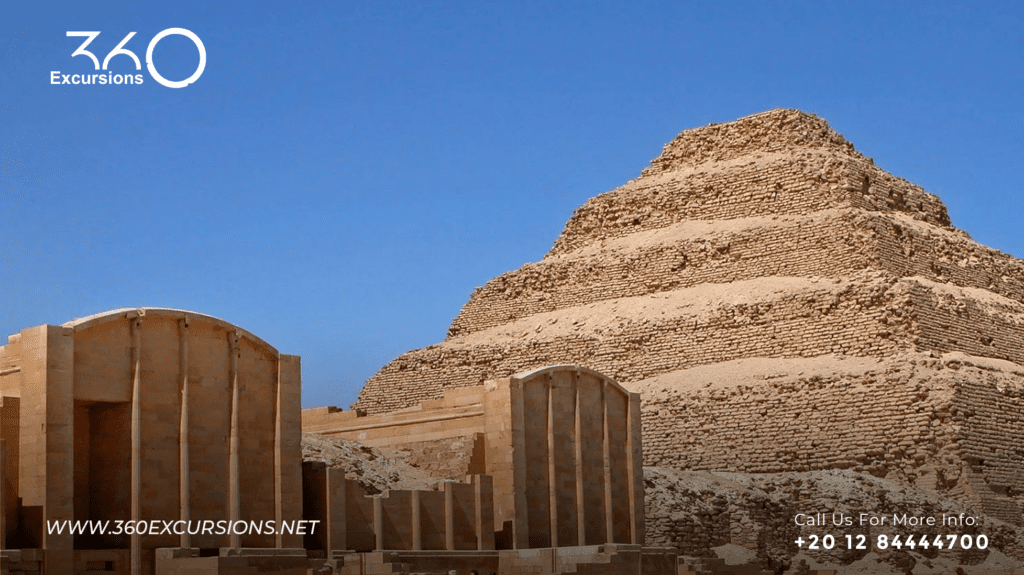
Step Pyramid Of Djoser
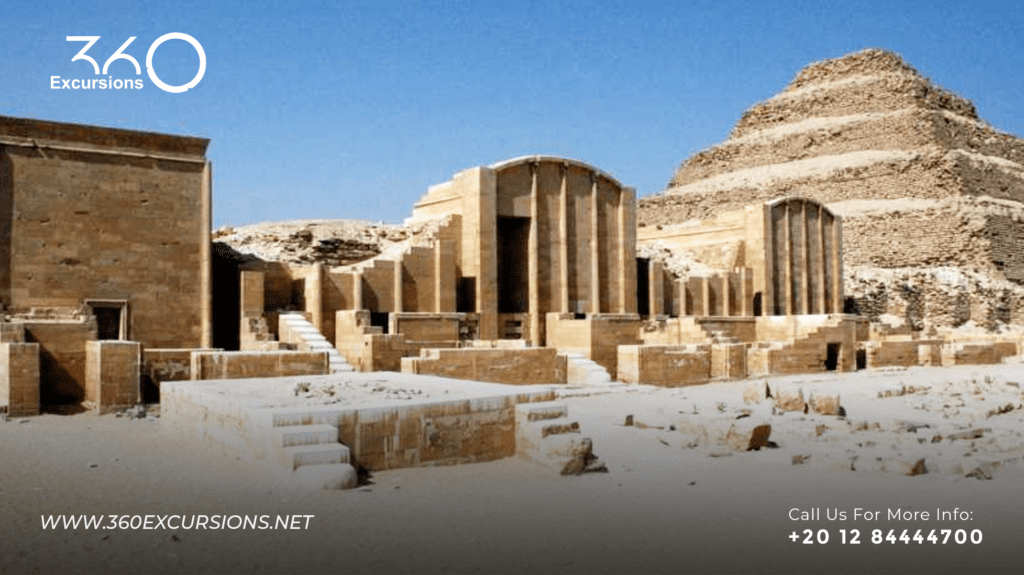
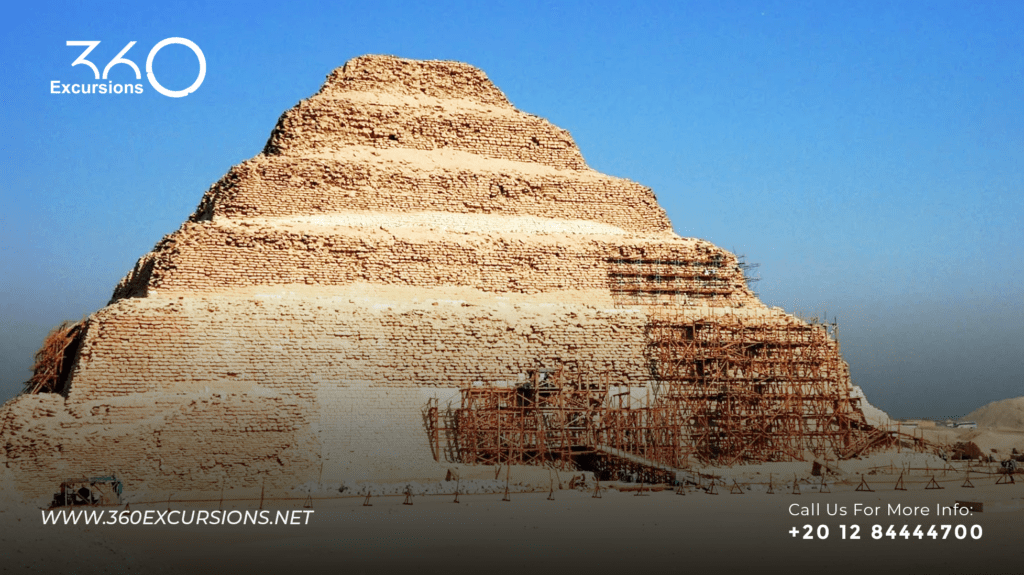
Step Pyramid Of Djoser Is The Crown Jewel Of Saqqara Pyramids And The Oldest Large Stone Structure In The World. Built During The Third Dynasty For Pharaoh Djoser, This Pyramid Marked A Radical Break From Earlier Burial Traditions. Key Features Of The Step Pyramid Of Djoser Include:
- Six Stacked Stone Levels Forming A Step Shape
- A Massive Enclosure Wall With Decorative Niches
- Courtyards Used For Ritual Ceremonies
- Underground Burial Chambers And Tunnels
The Pyramid Was Designed By The Legendary Architect Imhotep, Whose Innovations Changed Architecture Forever. The Step Pyramid Represents The First Successful Attempt To Build A Monument That Reached Toward The Sky Using Stone.
Unas Pyramid
Unas Pyramid Is One Of The Most Historically Important Structures Within Saqqara Pyramids, Despite Its Modest Exterior Size. Built For Pharaoh Unas Of The Fifth Dynasty, This Pyramid Is Famous For Containing The Earliest Known Pyramid Texts. Inside The Unas Pyramid, Visitors Can See:
- Walls Covered In Hieroglyphic Inscriptions
- Sacred Texts Describing The Afterlife Journey
- Burial Chambers Preserved With Original Writing
The Pyramid Texts Found Here Are The Oldest Religious Writings In The World And Form The Foundation Of Later Funerary Literature.
Serapeum Of Apis Bulls
Serapeum Of Saqqara Is One Of The Most Mysterious And Impressive Underground Structures At Saqqara. This Vast Subterranean Complex Was Used To Bury The Sacred Apis Bulls, Which Were Considered Living Manifestations Of The God Ptah. Highlights Of The Serapeum Include:
- Massive Granite Sarcophagi Weighing Over 60 Tons
- Long Underground Tunnels Carved Into Bedrock
- Precision Stonework That Defies Explanation
- A Deep Atmosphere Of Sacred Silence
The Scale And Engineering Precision Of The Serapeum Continue To Fascinate Archaeologists And Visitors Alike.
Tombs Of Nobles
Scattered Throughout Saqqara Are Hundreds Of Mastabas And Tombs Belonging To High Officials, Priests, And Nobles. These Tombs Are Among The Most Colorful And Informative In Egypt. Inside The Tombs Of Nobles, Visitors Can See:
- Scenes Of Daily Life And Agriculture
- Fishing, Hunting, And Craftsmanship Reliefs
- Detailed Depictions Of Family And Servants
- Vibrant Colors Preserved For Thousands Of Years
These Tombs Provide Unmatched Insight Into Everyday Life In Ancient Egypt Beyond Royal Narratives.
History
The History Of Saqqara Pyramids Spans From The Early Dynastic Period Through The Greco-Roman Era. As Memphis Served As Egypt’s Political And Religious Capital, Saqqara Became Its Eternal City Of The Dead. Saqqara Was Used By:
- Early Dynastic Kings
- Old Kingdom Pharaohs
- Later Period Rulers
- High Officials And Priests
Each Dynasty Added New Structures, Experimented With Design, And Refined Burial Practices. The Site Became A Living Laboratory Of Architecture, Religion, And Art.
Saqqara’s Long History Makes It One Of The Most Archaeologically Rich Sites On Earth, With New Discoveries Still Emerging Today, much like other deep-history temple zones across Egypt such as Dendera Temple Complex.
Best Time To Visit
The Best Time To Visit Saqqara Pyramids Is During Cooler Months And Early Hours Of The Day. Ideal Visiting Periods Include:
- October To April: Comfortable Temperatures
- Early Morning: Fewer Visitors And Softer Light
Because Saqqara Is Vast And Largely Open-Air, Sun Protection And Comfortable Shoes Are Essential, and many travelers pair the day with modern collections at the Grand Egyptian Museum.
How To Reach Saqqara
Saqqara Pyramids Are Located Approximately 30 Kilometers South Of Cairo And Are Easy To Reach. Transportation Options Include:
- Private Car Or Taxi: The Most Convenient Option
- Guided Day Tours: Often Combined With Memphis And Dahshur
- Hotel-Arranged Transport: Common And Reliable
Most Visitors Combine Saqqara Pyramids With Nearby Ancient Sites For A Full-Day Experience, and a popular planning option is a Cairo Day Trip by bus that can be adjusted to include Saqqara depending on timing.
If You Want To Add Another major Old Kingdom stop on the same route, many guided itineraries also include Dahshur Pyramids for a broader look at early pyramid experimentation.
Conclusion
Saqqara Pyramids Are The Foundation Upon Which All Later Egyptian Monumental Architecture Was Built. From The Revolutionary Step Pyramid Of Djoser To The Sacred Texts Of Unas And The Underground Mysteries Of The Serapeum, Saqqara Tells The Complete Story Of Egypt’s Architectural And Spiritual Evolution. Visiting Saqqara Pyramids Is Not Just A Journey Through Ancient Ruins — It Is A Walk Through The Origins Of Civilization Itself, and many travelers build a full heritage day by combining it with a fast Cairo Day Trip by Plane if they are short on time.
FAQs
Are Saqqara Pyramids Worth Visiting?
They Are Among The Most Important Archaeological Sites In The World, and they complement other Cairo-area highlights such as the National Museum Of Egyptian Civilization.
How Long Should I Spend At Saqqara?
At Least 3–4 Hours To See Major Highlights.
Is Saqqara Less Crowded Than Giza?
It Is Much Quieter And More Expansive, especially compared with busy city hubs like Khan Al-Khalili Cairo.
Can I Enter The Pyramids At Saqqara?
Some Pyramids And Tombs Are Open To Visitors.
Is A Guide Recommended?
Saqqara’s Depth And Scale Make A Guide Extremely Valuable, and travelers who want a broader Cairo context sometimes extend the trip into a Cairo and Alexandria tour for a wider historical arc.