


Complete Guide to the Alabaster Mosque (Mohamed Ali Mosque)
The Alabaster Mosque Is One Of Cairo’s Most Iconic Landmarks And A Defining Symbol Of The City’s Skyline. Perched High Above The Capital Within the Citadel Of Salah Al Din, The Alabaster Mosque Dominates Cairo With Its Grand Domes And Slender Minarets. Known Officially As The Mosque Of Mohamed Ali, The Alabaster Mosque Represents A Turning Point In Egyptian Architecture Where Ottoman Influence Met Egypt’s Modern History. Visiting The Alabaster Mosque Offers Not Only Spiritual And Architectural Beauty, But Also Panoramic Views And Deep Historical Insight Into 19th-Century Egypt.
This Complete Guide To The Alabaster Mosque Explores Its Overview, History, Architectural Features, Best Time To Visit, And Frequently Asked Questions — Helping You Understand Why The Alabaster Mosque Is One Of Egypt’s Most Visited Islamic Monuments.
Overview
The Mosque of Muhammad Ali Is Located Inside The Historic Citadel of Salah al-Din And Overlooks The Entire City Of Cairo. Built In The 19th Century, The Alabaster Mosque Was Designed To Reflect Ottoman Imperial Style, Similar To The Great Mosques Of Istanbul.
Located Inside Salah Al-Din Citadel
The Strategic Location Of The Alabaster Mosque Inside The Citadel Gives It Both Symbolic And Visual Power. From This Elevated Position, The Mosque Was Intended To Represent Authority, Stability, And Modern Governance.
Key Aspects Of Its Location Include:
- Central Position Within The Citadel Complex
- Elevated Views Over Islamic Cairo And Modern Districts
- Visual Dominance Of The City Skyline
- Proximity To Other Historic Citadel Structures
The Setting Enhances The Monumental Presence Of The Alabaster Mosque.
Ottoman Architecture
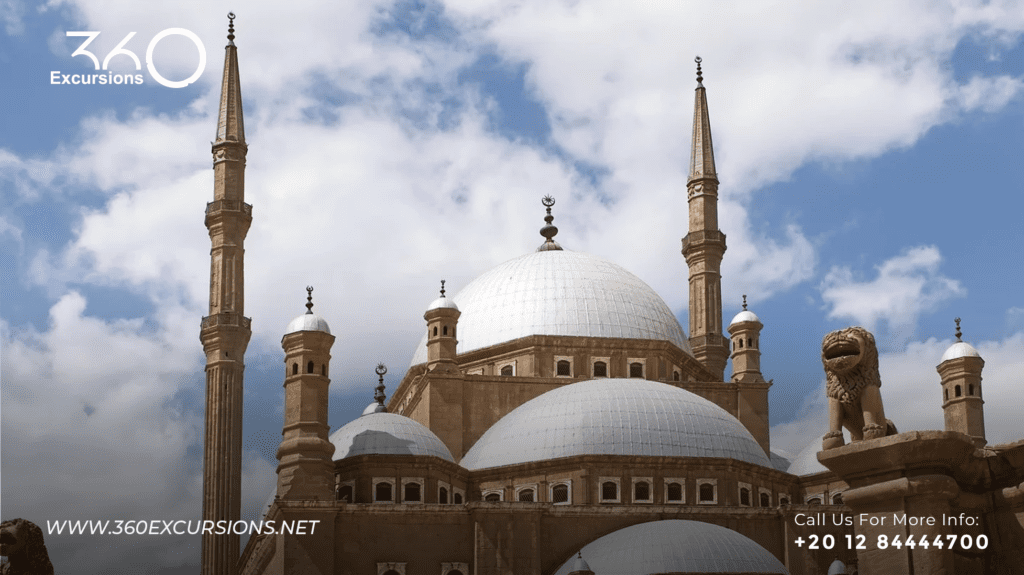
The Alabaster Mosque Is One Of The Finest Examples Of Ottoman Architecture Outside Turkey. Its Design Was Strongly Influenced By Istanbul’s Imperial Mosques, Reflecting Mohamed Ali’s Desire To Align Egypt With Ottoman Prestige.
Ottoman Architectural Elements Include:
- Central Dome Surrounded By Semi-Domes
- Tall Pencil-Shaped Minarets
- Symmetrical And Monumental Layout
- Emphasis On Vertical And Horizontal Balance
These Features Make The Alabaster Mosque Architecturally Distinct From Older Mamluk Mosques In Cairo.
History
The History Of The Alabaster Mosque Is Closely Linked To Egypt’s Modern Transformation During The 19th Century.
Mohamed Ali Era
The Alabaster Mosque Was Commissioned By Muhammad Ali Pasha, The Founder Of Modern Egypt, And Construction Began In 1830. The Mosque Was Built As Both A Place Of Worship And A Symbol Of His Political Power.
Historical Highlights Include:
- Construction During A Period Of Military And Administrative Reform
- Intended Mausoleum For Mohamed Ali Pasha
- Statement Of Authority Over Cairo And Egypt
- Blend Of Religious And Political Symbolism
The Alabaster Mosque Reflects Mohamed Ali’s Vision Of A Strong, Modern State.
Restoration Efforts
Over The Years, The Alabaster Mosque Underwent Multiple Restoration Campaigns To Preserve Its Structure And Decorative Elements. Environmental Factors And Heavy Tourism Required Ongoing Conservation.
Restoration Efforts Focused On:
- Reinforcing Structural Stability
- Cleaning And Preserving Marble Surfaces
- Restoring Domes And Minarets
- Protecting Interior Decorative Elements
These Efforts Ensure That The Alabaster Mosque Remains One Of Cairo’s Best-Preserved Monuments.
Key Features
The Architectural And Artistic Features Of The Alabaster Mosque Are Among Its Greatest Attractions.
Domes & Minarets
The Domes And Minarets Of The Alabaster Mosque Define Its External Appearance And Are Visible From Across Cairo.
Key Characteristics Include:
- Massive Central Dome Dominating The Structure
- Semi-Domes Supporting The Main Dome
- Twin Slender Minarets Reaching Skyward
- Elegant Ottoman Proportions
Together, These Elements Create A Powerful And Harmonious Silhouette.
Courtyard
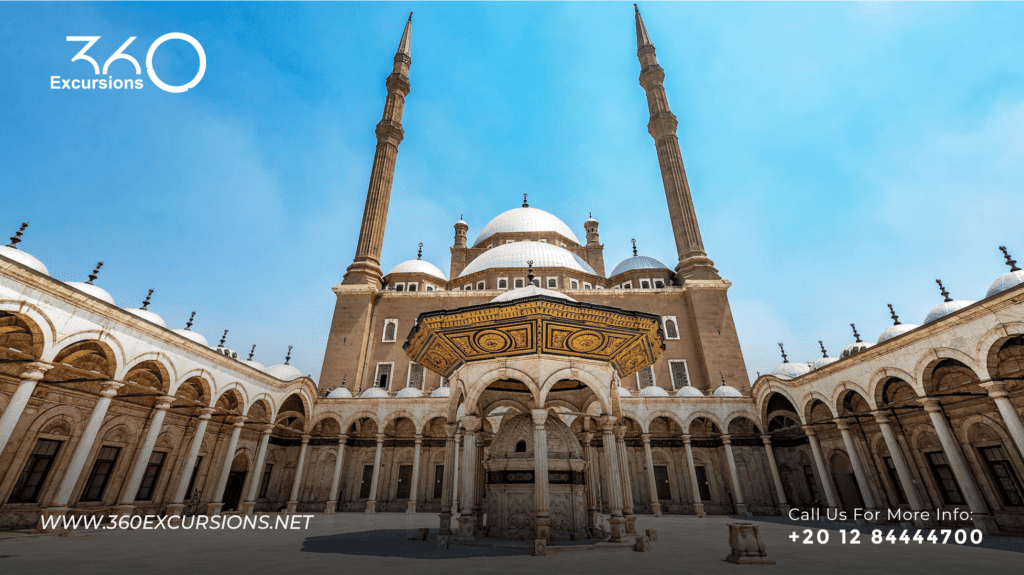
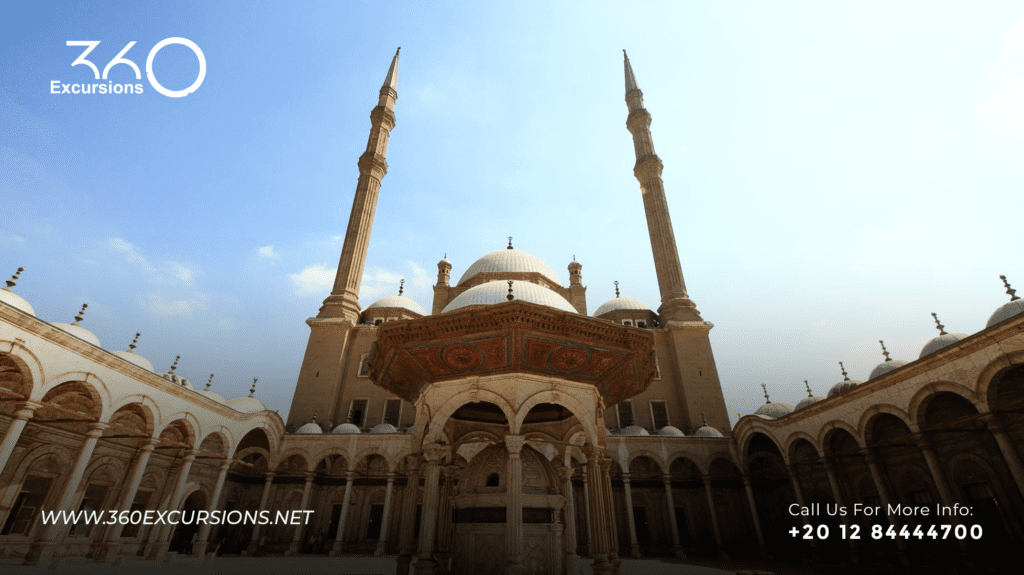
The Courtyard Of The Alabaster Mosque Is Spacious And Serene, Offering A Transition Between The Exterior And Interior Spaces.
Courtyard Highlights Include:
- Large Open Marble-Paved Area
- Central Ablution Fountain
- Surrounding Arcades
- Views Of Cairo And The Citadel
The Courtyard Is Ideal For Quiet Reflection And Photography.
Interior Marble
The Interior Of The Alabaster Mosque Is Lined With Smooth, Light-Colored Alabaster Marble, Which Gives The Mosque Its Popular Name.
Interior Highlights Include:
- Extensive Use Of Alabaster On Walls
- Soft Natural Light From High Windows
- Ornate Chandeliers Hanging From Domes
- Calm And Elegant Atmosphere
The Marble Interior Creates A Sense Of Grandeur And Peace.
Best Time To Visit
The Best Time To Visit The Alabaster Mosque Depends On Comfort And Viewing Conditions.
Recommended Visiting Times Include:
- Early Morning: Cooler Temperatures And Fewer Visitors
- Late Afternoon: Warm Light And Clear Views
- Weekdays: Less Crowded Experience
Avoid Peak Midday Hours During Summer Due To Heat And Crowds.
How To Visit The Citadel
Many Travelers Explore The Mosque As Part Of A Full Cairo Day Itinerary. Visitors Staying Outside The Capital Often Join A Guided Cairo Day Trip by bus To Cover The Citadel And Other Major Landmarks Efficiently.
If You Are Visiting From A Red Sea Resort, The Cairo Day Trip by Plane Is A Time-Saving Option That Allows You To Experience The Citadel In A Single Day.
Travelers Who Want A Broader Cultural Route Sometimes Choose The Cairo and Alexandria tour, Which Combines Islamic Monuments With Mediterranean Heritage Sites.
Visiting Tips
To Enhance Your Visit To The Alabaster Mosque:
- Dress Modestly And Respectfully
- Remove Shoes Before Entering Prayer Areas
- Bring A Camera For Panoramic Views
- Combine The Visit With Other Landmarks Like Al Rifai Mosque
- Take Time To Explore Both Interior And Exterior
These Tips Ensure A Respectful And Enjoyable Experience.
FAQs
Is The Alabaster Mosque Worth Visiting?
Yes — It Is One Of Cairo’s Most Iconic Landmarks.
How Long Does A Visit Take?
Approximately 45 Minutes To 1 Hour.
Is Photography Allowed?
Photography Is Allowed In Most Areas.
Is The Mosque Still Active For Prayer?
It Remains An Active Place Of Worship.
Can Tourists Enter The Mosque?
Outside Prayer Times, Visitors Are Welcome.
Conclusion
The Alabaster Mosque Is More Than A Religious Monument — It Is A Powerful Symbol Of Egypt’s Transition Into The Modern Era. With Its Ottoman-Inspired Architecture, Rich History, And Breathtaking Views Over Cairo, The Alabaster Mosque Offers A Complete Cultural And Visual Experience. Whether You Visit For Architecture, History, Or Simply To Admire One Of Cairo’s Finest Panoramas, The Alabaster Mosque Inside Salah Al-Din Citadel Remains One Of Egypt’s Most Memorable And Essential Destinations.