


Colossi Of Memnon Luxor
Colossi Of Memnon Luxor Stand As Two Of The Most Iconic And Enigmatic Monuments On Luxor’s West Bank — Towering Stone Guardians That Have Watched Over The Theban Necropolis For More Than Three Thousand Years. Rising Silently From The Fields Near The Nile, The Colossi Of Memnon Luxor Are All That Remains Of The Once-Magnificent Mortuary Temple Of Pharaoh Amenhotep III. For Travelers Exploring Luxor Temple Egypt And Ancient Thebes, The Colossi Of Memnon Luxor Offer A Powerful Introduction To The Sacred Landscape Of Tombs, Temples, And Royal Afterlife Beliefs That Defined One Of Egypt’s Greatest Periods.
This Complete Guide To Colossi Of Memnon Luxor Explores Their Overview, History, What To See On Site, Nearby Attractions, And Frequently Asked Questions — Providing A Deep And Accessible Understanding Of These Legendary Statues.
Overview
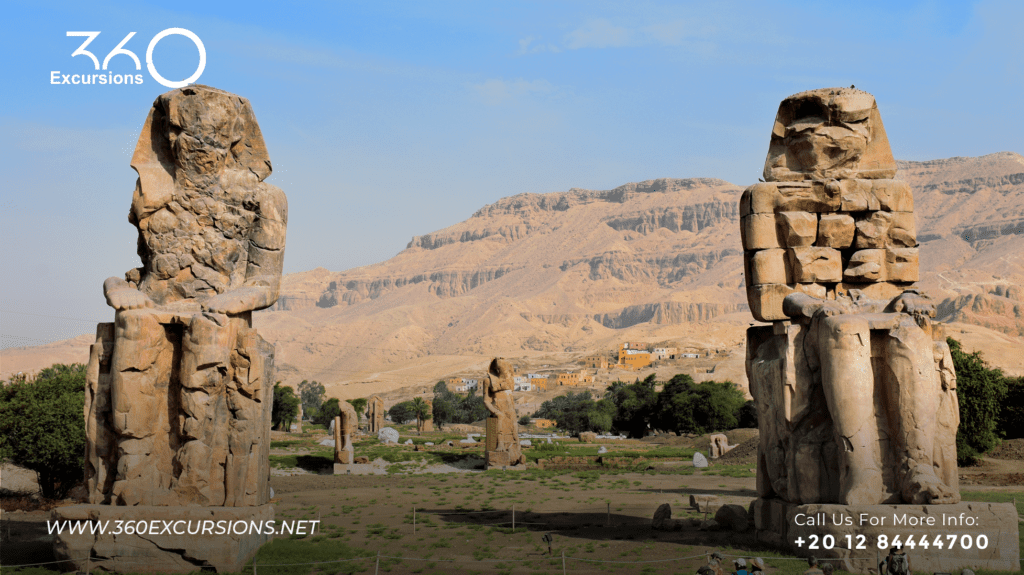
Colossi of Memnon Are Two Massive Seated Stone Statues Located On The West Bank Of Luxor, Near The Entrance To The Ancient Mortuary Temple Of Amenhotep III, Just A Short Drive From Karnak Temple Luxor. Each Statue Depicts The Pharaoh Seated On His Throne, Hands Resting On His Knees, Gazing Eastward Toward The Rising Sun And The Nile River.
Guardian Statues Of Amenhotep III’s Mortuary Temple
The Colossi Of Memnon Luxor Were Constructed During The Reign Of Pharaoh Amenhotep III In The 14th Century BC As Part Of His Grand Mortuary Temple Complex. This Temple Was Once One Of The Largest And Most Elaborate Religious Structures In Ancient Egypt, Designed To Honor The Pharaoh’s Divine Afterlife.
As Guardian Statues, The Colossi Of Memnon Luxor Served To:
- Mark The Monumental Entrance To The Temple
- Represent The Eternal Presence Of The Pharaoh
- Protect The Sacred Space From Evil Forces
- Symbolize Royal Authority And Stability
Although The Temple Itself Was Destroyed Over Time By Flooding And Stone Reuse, The Colossi Of Memnon Luxor Endured As Powerful Symbols Of What Once Stood There.
History
The History Of Colossi Of Memnon Luxor Is Closely Tied To Natural Forces, Myth, And Human Fascination That Transformed These Statues Into Legends, Especially When Compared With Nearby Sacred Areas Like the Valley of the Kings.
Earthquake & Singing Statue Phenomenon
In 27 BC, A Major Earthquake Struck The Theban Region, Causing Significant Damage To The Northern Colossus Of Memnon. After The Earthquake, Ancient Visitors Reported A Strange Phenomenon — At Sunrise, The Damaged Statue Appeared To Emit A Mysterious Sound.
This Sound Became Known As The “Singing Statue” Phenomenon, And Ancient Greek And Roman Writers Believed The Sound Was A Voice Greeting The Dawn. The Statue Was Associated With Memnon, A Hero Of Greek Mythology, Which Led To The Modern Name Colossi Of Memnon.
Key Points About The Singing Phenomenon Include:
- Likely Caused By Temperature Changes In Cracked Stone
- Occurred Mainly At Dawn
- Attracted Roman Emperors And Travelers
- Documented In Ancient Inscriptions
The Phenomenon Ended After Roman Emperor Septimius Severus Restored The Statue In The 3rd Century AD, Filling The Cracks And Silencing The “Song.”
What To See
Visiting Colossi Of Memnon Luxor Allows You To Observe Both Statues Up Close And Appreciate Their Differences And Details, Often As Part Of A Structured Luxor Day Trip That Covers The West Bank Highlights.
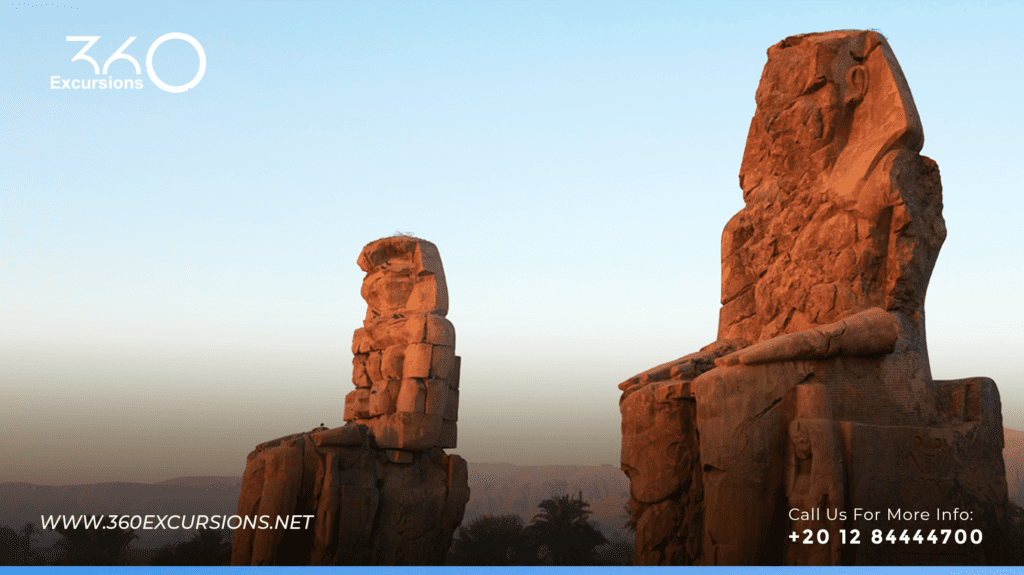
Northern Statue
The Northern Colossus Is The More Famous Of The Two Due To Its Historical “Singing” Reputation. Although It Was Damaged By The Ancient Earthquake, It Remains One Of The Most Photographed Landmarks On Luxor’s West Bank.
Highlights Of The Northern Statue Include:
- Visible Cracks From Ancient Damage
- Roman-Era Restoration Blocks
- Inscriptions Left By Ancient Visitors
- Strong Mythological Associations
The Northern Statue Offers A Unique Blend Of Egyptian History And Classical Myth.
Southern Statue
The Southern Colossus Remains In Better Structural Condition And Provides A Clearer View Of The Original Design And Craftsmanship.
Features Of The Southern Statue Include:
- More Intact Facial Features
- Clear Throne Reliefs
- Depictions Of The Nile God Hapi
- Original Construction Stone
Together, The Northern And Southern Statues Create A Balanced And Imposing Pair That Defines The Landscape.
Nearby Attractions
One Of The Advantages Of Visiting Colossi Of Memnon Luxor Is Their Proximity To Other Major West Bank Sites, Including The Temple of Hatshepsut.
Habu Temple
Medinet Habu Is Located A Short Distance From The Colossi And Is One Of The Best-Preserved Temples In Egypt. Dedicated To Ramses III, Medinet Habu Features Towering Walls, Colorful Reliefs, And Military Scenes.
Combining Medinet Habu With Colossi Of Memnon Luxor Creates A Comprehensive West Bank Experience.
Valley Of The Queens
the Valley of the Queens Is Another Nearby Site That Complements A Visit To The Colossi. This Sacred Valley Served As The Burial Ground For Royal Women, Including The Famous Tomb Of Nefertari.
Visiting Both Sites Offers Insight Into Royal Life, Death, And Afterlife Beliefs.
Visiting Experience
Colossi Of Memnon Luxor Are Freely Accessible And Located Directly Beside The Road, Making Them Easy To Visit At Any Time Of Day. Many Travelers Combine Them With A Broader West Bank Itinerary That May Also Include Dendera Temple Complex For A Deeper Understanding Of Upper Egypt’s Religious Heritage.
Recommended Visiting Tips Include:
- Visit Early Morning For Soft Light
- Observe From Multiple Angles
- Combine With Nearby Temples
- Bring Water And Sun Protection
Because There Is No Entry Fee, The Colossi Of Memnon Luxor Are One Of The Most Accessible Ancient Monuments In Luxor.
Conclusion
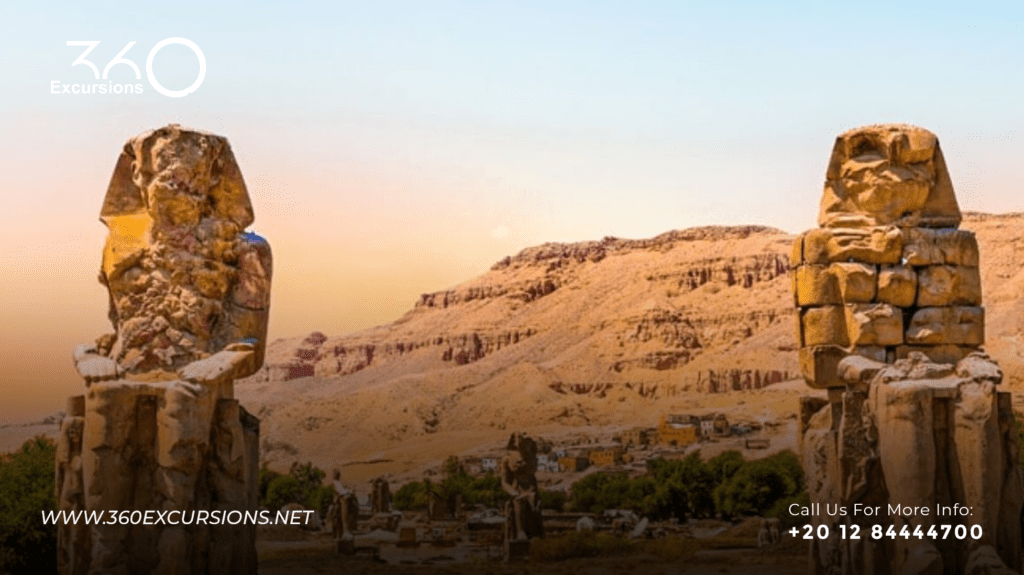
Colossi Of Memnon Luxor Are More Than Two Ancient Statues — They Are Silent Witnesses To The Grandeur, Beliefs, And Legends Of Ancient Egypt. From Their Role As Guardians Of Amenhotep III’s Mortuary Temple To The Mystical “Singing” Phenomenon That Captivated The Ancient World, The Colossi Of Memnon Luxor Hold A Unique Place In History. Standing Before Them At Sunrise Or Sunset, With The Mountains Of The West Bank Behind And The Nile To The East, Visitors Experience A Moment Where Myth, Memory, And Monument Unite — Making The Colossi Of Memnon Luxor An Essential Stop On Any Journey Through Ancient Thebes, Especially When Paired With A Nile Journey Along the Nile River in Egypt.
FAQs
Are Colossi Of Memnon Luxor Worth Visiting?
They Are One Of Luxor’s Most Iconic Landmarks And A Powerful Introduction To The West Bank.
How Long Does A Visit Take?
Approximately 15–30 Minutes.
Is There An Entry Fee?
The Site Is Free To Visit.
Can I Visit Without A Guide?
Yes, But A Guide Adds Historical Context.
Are The Colossi Still Singing?
The Phenomenon Ended After Roman Restoration.