


Complete Guide to Karnak Temple Luxor
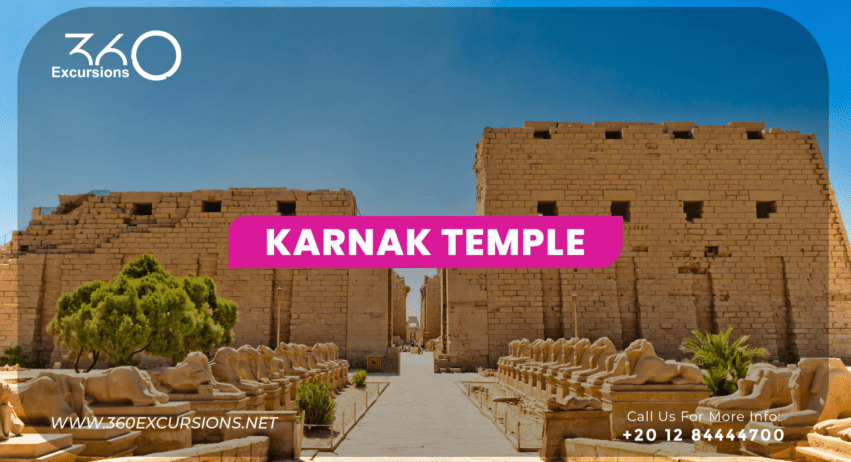
Karnak Temple Is One Of The Most Magnificent And Historically Important Archaeological Sites In The World. Located In The Heart Of Luxor, Karnak Stands As A Stunning Testament To The Power, Religion, And Architecture Of Ancient Egypt. With Its Gigantic Pillars, Sacred Shrines, Detailed Reliefs, Obelisks, And Expansive Courtyards, The Temple Complex Represents More Than 2,000 Years Of Continuous Construction. Today, Karnak Temple Remains One Of The Most Visited Landmarks In Egypt, Attracting Millions Of Travelers Who Come To Witness Its Scale, Beauty, And Symbolic Importance.
This Complete Guide To Karnak Covers Everything You Need To Know — From Its History, Key Sections, And Visitor Tips To Light Shows, Opening Hours, And Frequently Asked Questions.
Overview Of Karnak Temple
Karnak Temple Is The Largest Religious Structure Ever Built In Ancient Egypt. Dedicated Mainly To The Theban Triad — Amun, Mut, And Khonsu — The Temple Served As The Spiritual Center Of The New Kingdom. Its Enormous Columns, Massive Gateways, Sacred Lakes, And Intricate Carvings Reveal The Architectural Genius Of Ancient Egyptian Builders.
Travelers Visiting Karnak Will Find A Complex Filled With Temples, Chapels, Statues, Sanctuaries, Obelisks, And Monumental Halls That Reflect The Glory Of The Pharaohs Who Contributed To Its Construction Over Nearly Two Millennia. Many visitors also pair it with Luxor Temple Egypt for a complete East Bank itinerary.
Why Karnak Is One Of Egypt’s Greatest Temples
Karnak Temple Is Considered One Of Egypt’s Greatest Temples Because Of Its Immense Size, Architectural Innovation, Religious Importance, And Historical Continuity. No Other Temple In Egypt Was Built Or Expanded By As Many Pharaohs. Its Great Hypostyle Hall Is One Of The Most Impressive Architectural Achievements In Human History, Featuring 134 Giant Columns That Seem To Reach The Sky.
Karnak Was Also The Center Of The Opet Festival, One Of The Most Important Ceremonies In Ancient Egypt, Connecting It Deeply With The Culture, Power, And Spiritual Life Of The Nation.
History Of Karnak Temple
The History Of Karnak Temple Is A Story Of Continuous Construction, Expansion, And Symbolism That Reflects The Changing Political And Religious Landscape Of Ancient Egypt.
Construction Timeline
Construction Of Karnak Began During The Middle Kingdom Around 2000 BC. Over Time, Pharaohs From Nearly Every Dynasty Added New Sections, Gateways, Statues, And Shrines. The Most Active Period Of Construction Took Place During The New Kingdom (1550–1070 BC), When Kings Such As Thutmose I, Hatshepsut, Seti I, And Ramses II Built Some Of The Temple’s Most Iconic Features.
Even During Later Periods, Including The Ptolemaic And Roman Eras, Additions And Restorations Continued — Making Karnak Temple A Living Monument That Evolved Over More Than 2,000 Years.
Dynasties Involved
- Middle Kingdom: The First Major Constructions And Foundations Were Built.
- 18th Dynasty: Kings Like Hatshepsut, Thutmose III, And Amenhotep II Added Obelisks, Pillars, And Chapels.
- 19th Dynasty: Seti I And Ramses II Enhanced The Hypostyle Hall And Built Massive Gateways.
- 20th Dynasty: Additional Gates And Decorative Elements Were Added.
- Ptolemaic & Roman Periods: Later Rulers Restored Areas And Added Small Structures.
Karnak Growth Across So Many Dynasties Makes It A Unique Record Of Egyptian Architecture, Art, And Religion.
Main Sections Of Karnak
Karnak Temple Is A Vast Complex With Multiple Sections, Each Offering A Unique Look Into Ancient Egyptian Beliefs, Rituals, And Architectural Mastery.
Great Hypostyle Hall
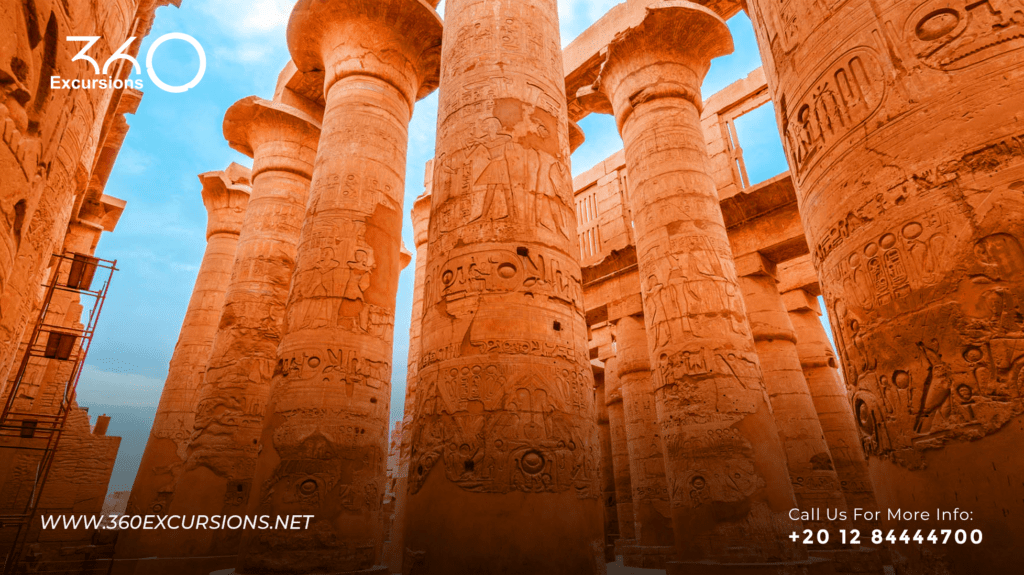
The Great Hypostyle Hall Is The Most Famous Part Of Karnak Temple — A Forest Of 134 Massive Columns Standing In 16 Rows. Some Columns Reach 21 Meters High And Are Decorated With Detailed Hieroglyphs And Reliefs. This Hall Was Constructed Mainly During The Reigns Of Seti I And Ramses II And Is Considered One Of The Most Impressive Architectural Achievements In The Ancient World. Walking Through The Hypostyle Hall Is One Of The Highlights Of Any Visit To Karnak. Travelers who love monumental temple halls often compare it with the scale of Medinet Habu Temple on Luxor’s West Bank.
Sacred Lake
The Sacred Lake Is Located Within The Precinct Of Amun At Karnak Temple And Served As A Ritual Place For Purification. Priests Used The Lake For Religious Ceremonies And Daily Cleansing. The Lake’s Calm Reflective Surface Creates A Peaceful Atmosphere And Offers Beautiful Photography Opportunities — Especially During Sunset.
Avenue Of Sphinxes
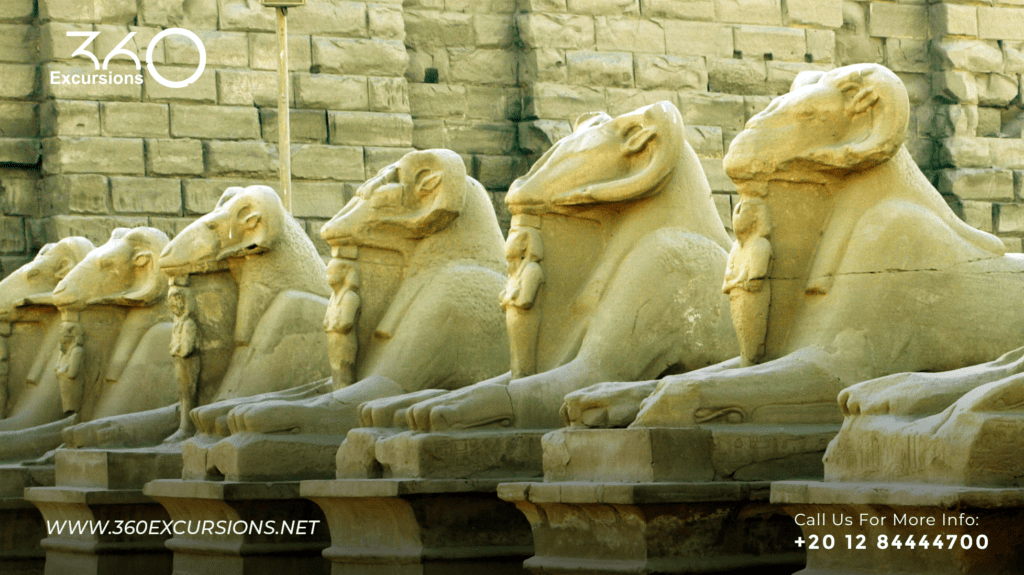
The Avenue Of Sphinxes Once Connected Karnak To Luxor Temple Over A Distance Of Nearly 3 Kilometers. The Road Was Lined With Hundreds Of Sphinx Statues With Ram Heads Or Human Faces. Today, Visitors Can Walk Through Restored Sections Of This Ancient Processional Route, Which Played A Major Role In Religious Festivals Such As The Opet Festival. Many travelers continue their walk toward The Avenue of Sphinxes to experience the ceremonial route firsthand.
Hatshepsut Obelisk
One Of The Tallest And Most Famous Obelisks In Karnak Temple Was Commissioned By Queen Hatshepsut. Standing Over 28 Meters High, It Is Made From A Single Piece Of Red Granite And Carries Inscriptions Celebrating Her Achievements. The Obelisk Represents The Power And Legacy Of One Of Egypt’s Most Influential Female Pharaohs. Visitors fascinated by Hatshepsut’s reign often add The Temple of Hatshepsut to their Luxor itinerary.
Light & Sound Show
Karnak Temple Offers A Popular Light And Sound Show In The Evening, Where The Temple Complex Is Illuminated With Colorful Lights While Narration Tells The Story Of Ancient Thebes, The Pharaohs Who Built Karnak, And The Religious Ceremonies Held There. Visitors Walk Through Different Sections Of The Temple As The Story Unfolds, Ending With A Beautiful Viewing Area Overlooking The Sacred Lake. This Nighttime Experience Adds A Magical Dimension To Any Visit To Karnak, especially when paired with a night visit to Luxor Temple Egypt.
Tickets & Opening Hours
Karnak Temple Is Open Daily, And Visiting Hours Typically Extend From Early Morning Until Late Afternoon. During Peak Seasons, Hours May Be Extended. Tickets Can Be Purchased At The Entrance, And Additional Fees May Apply For Photography Or Entering Specific Sections.
Visitors Are Encouraged To Arrive Early To Avoid Crowds And To Enjoy Cooler Temperatures. Guided Tours Are Also Available For Travelers Who Want A Deeper Understanding Of The Temple’s History And Symbolism. Many travelers also explore Luxor’s iconic tombs such as the Valley of the Queens for a fuller picture of ancient Thebes.
Best Time To Visit
The Best Time To Visit Karnak Temple Is Between October And April When The Weather Is Cooler And More Comfortable For Exploring Outdoor Sites. Early Morning And Late Afternoon Provide The Best Lighting For Photography And A More pleasant Overall Experience. Summer Visits Are Still Possible, But Travelers Should Bring Water, Sun Protection, And Comfortable Clothing.
Conclusion
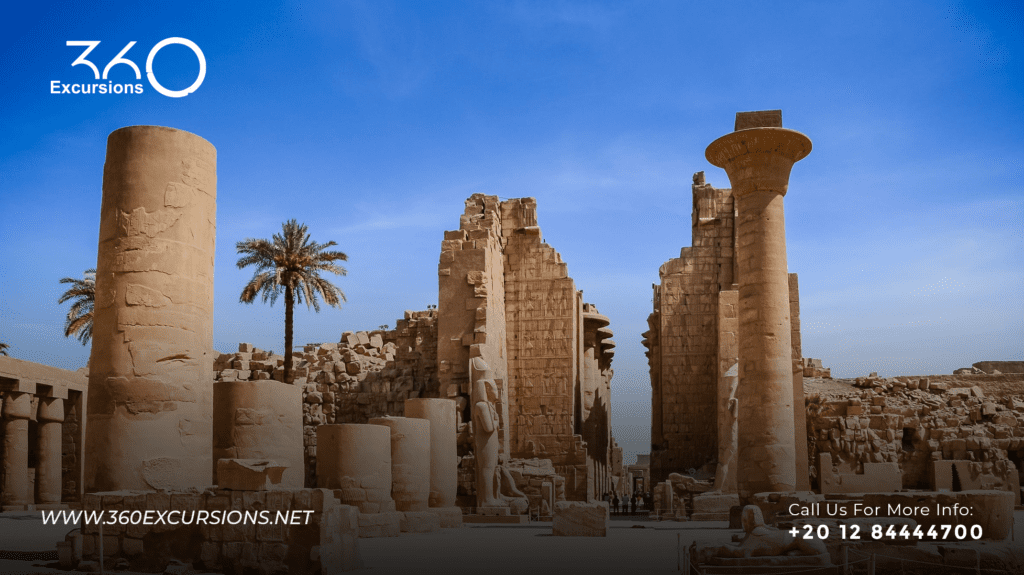
Karnak Temple Stands As A Monument To Ancient Egyptian Power, Religion, And Architectural Brilliance. With Its Gigantic Columns, Sacred Lake, Obelisks, And Time-Honored Ritual Spaces, The Temple Offers A Journey Through More Than Two Millennia Of History. Whether You Explore Its Hypostyle Hall, Attend The Light & Sound Show, Or Walk Along The Avenue Of Sphinxes, Visiting Karnak Temple Is An Inspiring Experience That Reveals The Heart Of Ancient Thebes And The Legacy Of One Of Egypt’s Greatest Civilizations. Travelers coming from the Red Sea often include Luxor highlights through a Luxor Day Trip.
FAQs
Is Karnak Temple Worth Visiting?
Absolutely — It Is One Of The Most Impressive Ancient Sites In The World And A Must-See Attraction In Luxor.
How Long Does A Visit To Karnak Take?
Most Visitors Spend 2–3 Hours Exploring The Temple, Though History Lovers Often Stay Longer.
Is A Guide Necessary?
Not Required, But Highly Recommended To Understand The History, Symbolism, And Architectural Details.
Can You Visit Both Karnak And Luxor Temple In One Day?
Yes The Two Temples Are Connected By The Avenue Of Sphinxes And Can Be Visited On The Same Day.


