


Complete Guide to Kom Ombo Temple
Kom Ombo Temple Is One Of Egypt’s Most Fascinating And Architecturally Unique Ancient Monuments. Located On The East Bank Of The Nile Between Edfu And Aswan Egypt, Kom Ombo Stands Out For Its Rare Double-Temple Design And Its Dual Dedication To Two Distinct Gods Sobek, The Crocodile God Of Fertility And Power, And Horus The Elder, The Falcon-Headed God Of Protection And Divine Kingship. With Its Perfect Symmetry, Fine Reliefs, And Stunning Nile Views, Kom Ombo Temple Offers Visitors A Rich Journey Through Ancient Egyptian Religion, Medicine, And Artistic Brilliance.
This Complete Guide To Kom Ombo Explores Its Layout, History, Architectural Features, Best Visiting Times, Cruise Tips, And FAQs To Help You Enjoy One Of Upper Egypt’s Most Memorable Monuments.
Overview Of Kom Ombo Temple
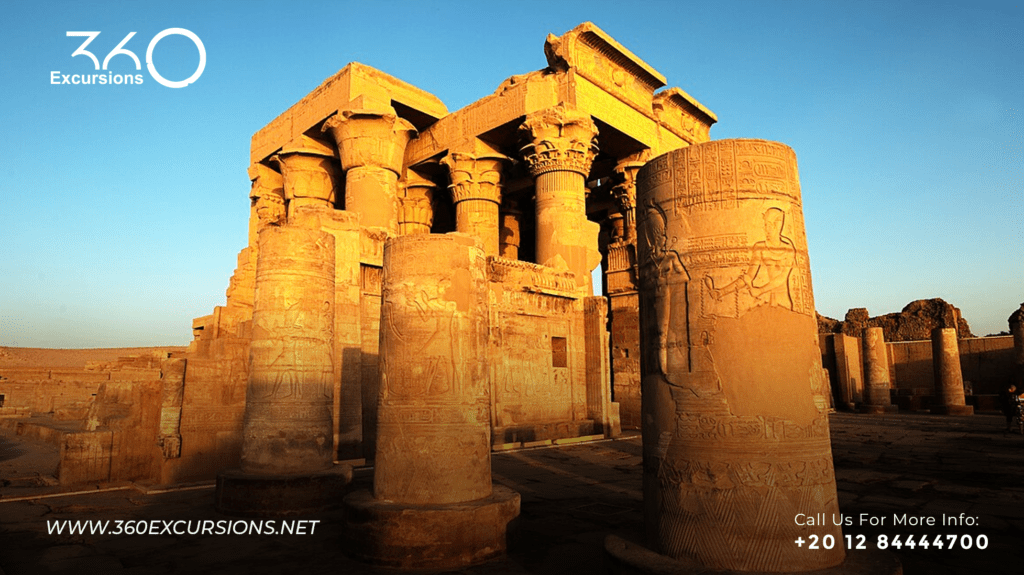
Kom Ombo Temple Is Unique In Both Structure And Symbolism. Unlike Other Temples In Egypt, Which Are Dedicated To A Single Deity, Kom Ombo Was Built As A Dual Temple With Two Mirrored Sections — One For Sobek And One For Horus. This Distinct Layout Makes It One Of The Most Visually Intriguing Temples Along The Nile.
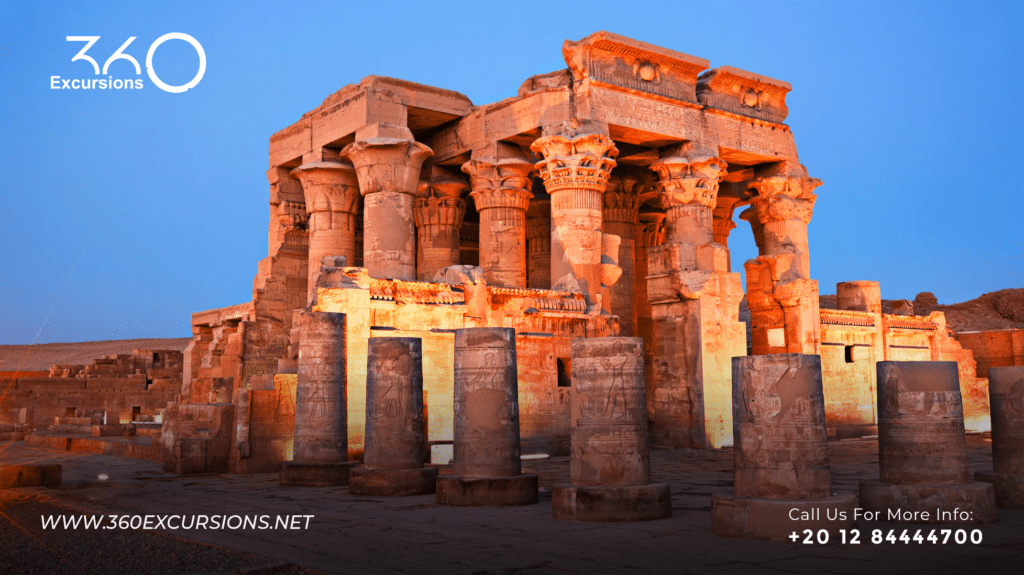
The Temple Stands On A Bend In The River, Giving Visitors Beautiful Views As They Walk Through Its Courtyards, Halls, Shrines, And Relief-Carved Walls. Many Nile Cruises Stop At Kom Ombo During Sunset, Creating A Magical Experience As The Light Illuminates Its Sandstone Columns And Hieroglyphs. Travelers Often Pair Kom Ombo With nearby classics such as Temple of Philae when building a complete Aswan region itinerary.
Unique Double Temple Design
Kom Ombo Temple Was Designed As Two Temples In One. Each Side Includes Its Own Courtyard, Hypostyle Hall, Sanctuary, And Chambers. Everything Is Built In Mirror Image — A Perfectly Symmetrical Layout That Represents Balance Between Sobek And Horus.
This Dual Structure Is Extremely Rare In Egyptian Architecture And Highlights Kom Ombo As A Center Of Religious Harmony.
Dedicated To Sobek & Horus
Kom Ombo Temple Honors Two Powerful Deities:
- Sobek: God Of Strength, Fertility, Protection, And The Nile’s Waters. He Was Associated With Crocodiles, Which Were Common In This Area Of The River.
- Horus The Elder: A Form Of The Falcon God Representing Kingship, Protection, And Cosmic Order.
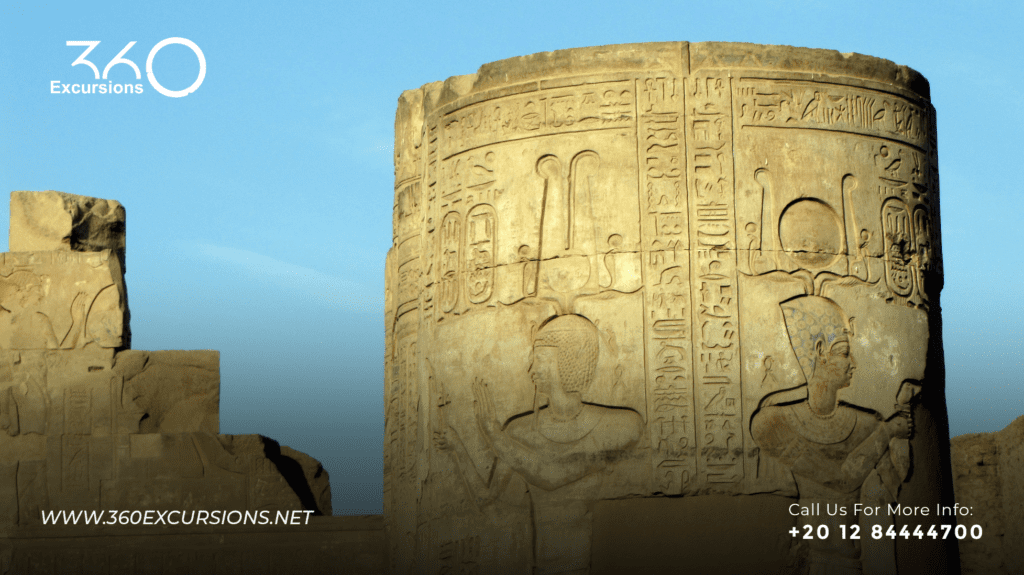
The Temple’s Reliefs, Statues, And Ritual Scenes Reflect The Dual Worship That Took Place Here. Visitors Will Notice Symbols Of Both Gods Throughout Kom Ombo Temple’s Beautifully Preserved Walls, and many also explore related Upper Egypt landmarks like Horus Temple in Edfu to compare temple design and symbolism.
History
Kom Ombo Temple Was Built During The Ptolemaic Period Around 180–47 BC, With Additional Roman-Era Contributions. The Ptolemies Continued Ancient Traditions And Constructed Temples That Honored Local Gods.
Because The Area Around Kom Ombo Was Known For Crocodiles In Ancient Times, Sobek Worship Was Particularly Strong Here. Priests At Kom Ombo Performed Rituals, Offerings, And Ceremonies To Honor Both Sobek And Horus, Ensuring Balance Between Nature, Divine Order, And Royal Power.
Archaeological Excavations Have Revealed Tombs, Crocodile Mummies, Medical Texts, And Tools That Shed Light On The Daily Life And Religious Activity At This Sacred Site. Travelers Interested in Aswan’s major engineering history often connect this journey with sites like The High Dam Of Egypt.
Architectural Highlights
Kom Ombo Temple Contains Exceptional Architectural And Artistic Features That Make It A Must-See Destination For Any Traveler Exploring Upper Egypt.
Twin Sanctuaries
At The Heart Of Kom Ombo Are Two Separate Sanctuaries — One For Sobek And One For Horus. These Inner Chambers Were Used For Rituals And Offerings, And Each Sanctuary Features Hieroglyphic Texts, Carvings, And Sacred Architectural Elements.
Reliefs Of Surgical Instruments
One Of The Most Famous Highlights At Kom Ombo Is The Wall Inscription Depicting Ancient Surgical Instruments. These Reliefs Include:
- Scalpels
- Forceps
- Hooks
- Sponges
- Measuring Tools
This Remarkable Carving Demonstrates That Ancient Egyptian Medicine Was Highly Advanced, Especially In Surgical Procedures, Dental Work, And Bodily Treatments.
Crocodile Museum
Next To Kom Ombo Temple Stands The Crocodile Museum, A Small But Fascinating Exhibition Featuring:
- Dozens Of Mummified Crocodiles
- Statues Of Sobek
- Religious Artifacts
- Ritual Tools
- Archaeological Discoveries From The Temple Site
These Exhibits Provide Insight Into The Worship Of Sobek And Help Visitors Understand The Spiritual And Cultural Importance Of Crocodiles In Ancient Egypt. After exploring Kom Ombo, many travelers continue their Aswan route to the ancient granite quarries at Unfinished Obelisk Aswan.
Best Time To Visit
The Best Time To Visit Kom Ombo Temple Is During Sunrise Or Sunset When The Temple Columns And Reliefs Glow With Warm, Soft Light. These Times Also Offer Cooler Temperatures, Making The Experience More Comfortable.
Ideal Seasons For Visiting Kom Ombo Include:
- October To April: Mild Weather And Clear Skies
- December And January: Peak Tourist Season With Lively Atmosphere
- Early Morning In Summer: Best For Avoiding Heat
How To Explore During Nile Cruises
Kom Ombo Temple Is A Signature Stop On Almost All Nile Cruises Between Luxor And Aswan. Most Cruises Dock In The Late Afternoon, Allowing Travelers To Explore The Temple As Temperatures Cool Down And Sunset Approaches.
During A Nile Cruise Visit To Kom Ombo, You Can Expect:
- A Guided Tour Explaining Sobek And Horus Worship
- Time To Explore The Double-Temple Layout
- Visits To The Crocodile Museum
- Beautiful Views Of The Nile From The Temple Entrance
- Opportunities For Photography During Golden Hour
Cruise Tours Typically Last 1–1.5 Hours Before Guests Return To The Ship For Dinner Or Evening Entertainment. Travelers exploring Upper Egypt as a whole often add cultural stops such as The Nubian Museum in Aswan for deeper historical context.
Conclusion
Kom Ombo Temple Is A Remarkable Blend Of Spirituality, Architecture, And Ancient Science. With Its Unique Double-Temple Design, Twin Sanctuaries, Beautiful Reliefs, And One-Of-A-Kind Medical Inscriptions, It Offers A Truly Special Experience For Any Traveler Exploring The Nile Valley.
Visitors planning longer Upper Egypt routes sometimes connect Aswan and Nile temples with iconic southern highlights like Abu Simbel Egypt, making the journey even more unforgettable.
FAQs
Is Kom Ombo Temple Worth Visiting?
Absolutely. Its Double Temple Design, Medical Reliefs, And Crocodile Museum Make It One Of Egypt’s Most Unique Ancient Sites.
How Long Does A Visit Take?
Most Travelers Spend 45 Minutes To 1.5 Hours Exploring Kom Ombo.
Can You Visit Without A Nile Cruise?
Taxis And Private Cars Can Bring Visitors From Aswan Or Edfu.
Are There Crocodiles Near The Temple Today?
Nile Crocodiles No Longer Live In This Area, But Their Mummified Remains Are Displayed In The Museum.
Is Kom Ombo Easy To Walk Through?
Yes. The Temple Layout Is Open, Flat, And Suitable For All Ages.


