


Complete Guide to Medinet Habu Temple
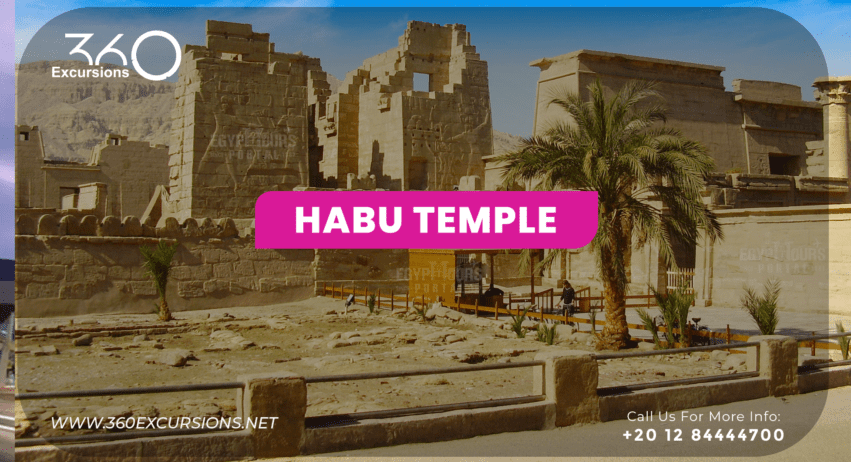
Medinet Habu Temple Is One Of Luxor’s Most Powerful And Visually Striking Ancient Monuments — Yet It Remains Surprisingly Underrated Compared To Other West Bank Temples. Located On Luxor’s West Bank In Aswan Egypt Near The Valley of the Kings, Medinet Habu Temple Is The Mortuary Temple Of Pharaoh Ramses III, One Of Ancient Egypt’s Last Great Warrior Kings. With Its Massive Fortified Walls, Dramatic Military Reliefs, Monumental Gates, And Exceptionally Well-Preserved Colors, Medinet Habu Temple Offers One Of The Most Complete And Immersive Temple Experiences In Egypt.
This Complete Guide To Medinet Habu Temple Covers Its Overview, History, Main Highlights, Best Visiting Times, Transportation Options, And FAQs — Helping You Discover Why This Temple Deserves A Top Spot On Any Luxor itinerary.
Overview Of Habu Temple
Medinet Habu Temple Is A Vast Temple Complex That Served As The Mortuary Temple Of Ramses III During The 20th Dynasty Of The New Kingdom. Unlike Many Other Temples In Luxor That Were Dedicated Primarily To Gods, Medinet Habu Temple Was Designed To Glorify The Pharaoh’s Divine Kingship, Military Victories, And Eternal Legacy In The Afterlife.
The Temple Complex Includes High Defensive Walls, Ceremonial Courtyards, Hypostyle Halls, Chapels, Administrative Areas, And Living Quarters That Once Supported Priests And Workers. Due To Its Solid Construction And Relative Isolation, Medinet Habu Temple Remains One Of The Best-Preserved Temples In Egypt Today, Comparable In Scale To Karnak Temple Luxor.
Why Habu Temple Is One Of Luxor’s Most Underrated Landmarks
Medinet Habu Temple Is Often Considered One Of Luxor’s Most Underrated Landmarks Because:
- It Is Less Crowded Than Karnak Or Luxor Temple Egypt
- Its Wall Reliefs Are Exceptionally Detailed And Intact
- Original Paint Colors Are Still Visible
- The Temple Complex Is Vast And Easy To Explore
- It Offers Clear Historical Narratives Of Military Campaigns
Visitors Who Take Time To Explore Medinet Habu Temple Often Find It More Atmospheric And Engaging Than More Famous Sites Such As The Temple of Hatshepsut.
History
The History Of Medinet Habu Temple Is Closely Linked To The Reign Of Ramses III And One Of The Most Turbulent Periods Of The New Kingdom.
Ramses III Construction
Medinet Habu Temple Was Constructed During The Reign Of Pharaoh Ramses III (Circa 1186–1155 BC), A Ruler Known For Defending Egypt Against Major External Threats. Ramses III Modeled His Mortuary Temple On The Earlier Ramesseum Of Ramses II But Expanded Its Fortified Nature To Reflect The Political Instability Of His Time.
The Temple Was Built Using Mudbrick Enclosure Walls And Stone Inner Structures, Creating A Fortress-Like Appearance. This Design Symbolized The Pharaoh As Protector Of Egypt, Both Militarily And Spiritually.
Military Reliefs
One Of The Most Important Historical Features Of Medinet Habu Temple Is Its Extensive Military Reliefs. These Wall Carvings Depict Ramses III’s Victories Over:
- The Sea Peoples
- Libyan Tribes
- Foreign Enemies Threatening Egypt’s Borders
The Reliefs Show Naval Battles, Prisoners Of War, Battle Formations, And Ceremonial Triumphs. They Are Among The Most Detailed Military Records From Ancient Egypt And Provide Valuable Insight Into Warfare And Political Propaganda Of The Period.
Main Highlights
Medinet Habu Temple Is Filled With Architectural And Artistic Highlights That Make Exploration Both Educational And Visually Impressive.
Great Gate
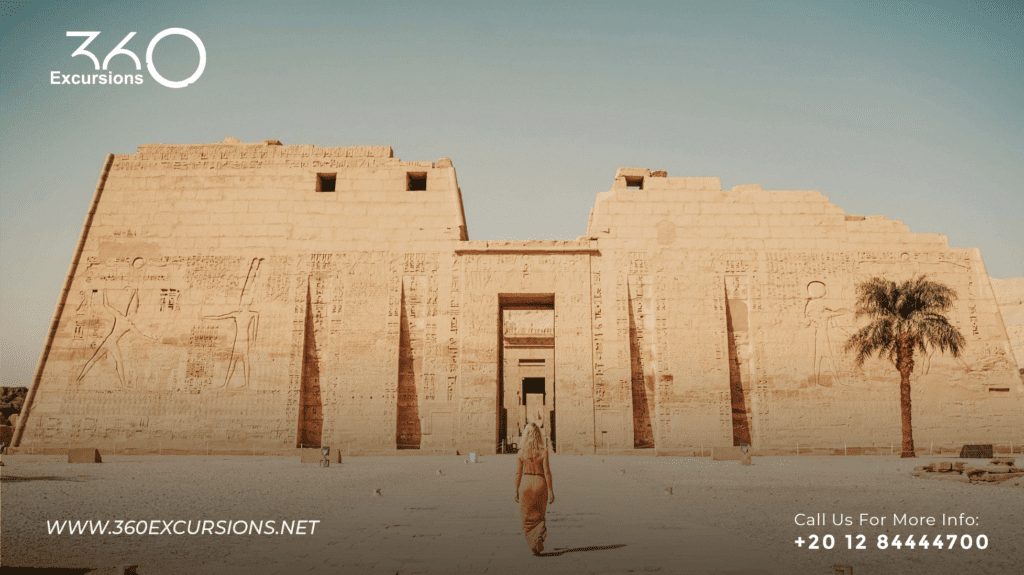
The Great Gate Of Medinet Habu Temple Is One Of Its Most Iconic Features. Built In The Style Of A Syrian Fortress Gate, This Massive Entrance Structure Reflects Foreign Architectural Influences And Emphasizes The Temple’s Defensive Nature.
Visitors Enter Through This Monumental Gateway, Passing Beneath Towering Walls Decorated With Scenes Of Ramses III Defeating His Enemies. The Gate Sets A Powerful Tone For The Entire Temple Experience.
Festival Hall
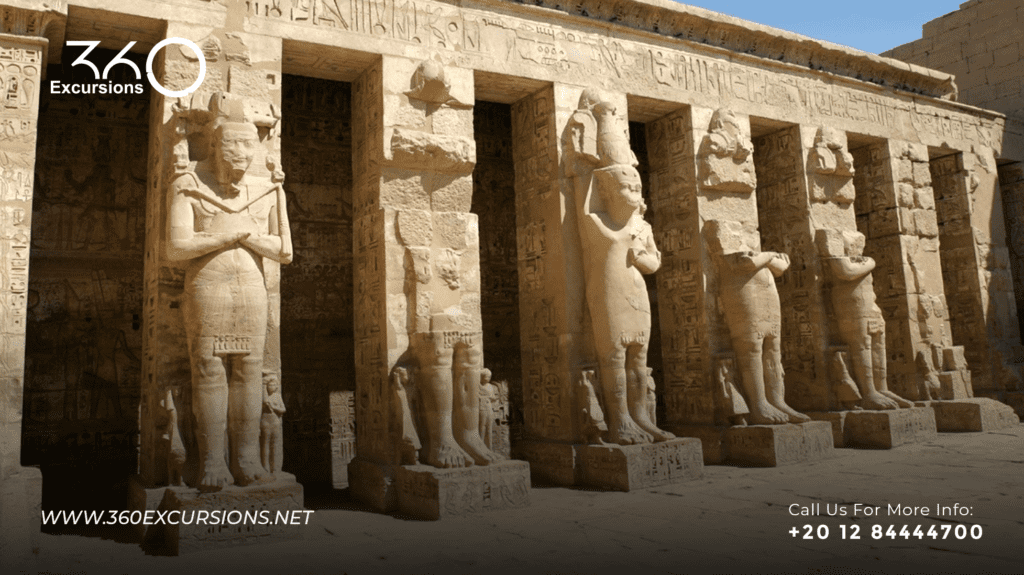
The Festival Hall Inside Medinet Habu Temple Was Used For Religious Ceremonies, Festivals, And Ritual Celebrations Associated With The Pharaoh’s Divine Role. The Hall Features:
- Tall Columns
- Open Courtyards
- Processional Pathways
- Reliefs Depicting Offerings To The Gods
This Area Provides Insight Into The Religious Life Of The Temple And The Rituals That Sustained Ramses III’s Eternal Presence.
Colorful Wall Art
One Of The Most Remarkable Aspects Of Medinet Habu Temple Is The Survival Of Original Paint Colors On Its Walls. Unlike Many Temples Where Color Has Faded Completely, Medinet Habu Temple Still Displays:
- Reds, Blues, Yellows, And Greens
- Painted Hieroglyphs
- Detailed Figures Of Gods And Soldiers
- Decorative Borders And Patterns
These Colors Help Visitors Visualize How Vibrant And Alive Ancient Temples Once Were.
Best Time To Visit
The Best Time To Visit Medinet Habu Temple Is During The Cooler Parts Of The Day And Year.
Recommended Visiting Times Include:
- Early Morning: Fewer Visitors And Comfortable Temperatures
- Late Afternoon: Warm Light Enhances Relief Details
The Best Months Are October To April, When Luxor’s Weather Is Ideal For Outdoor Exploration.
How To Reach
Medinet Habu Temple Is Located On Luxor’s West Bank And Is Easy To Reach As Part Of A Full-Day Tour. Transportation Options Include:
- Private Taxi Or Driver: The Most Flexible Option
- Guided West Bank Tours: Commonly Include Medinet Habu
- Bicycle Or Electric Cart: Possible For Experienced Travelers
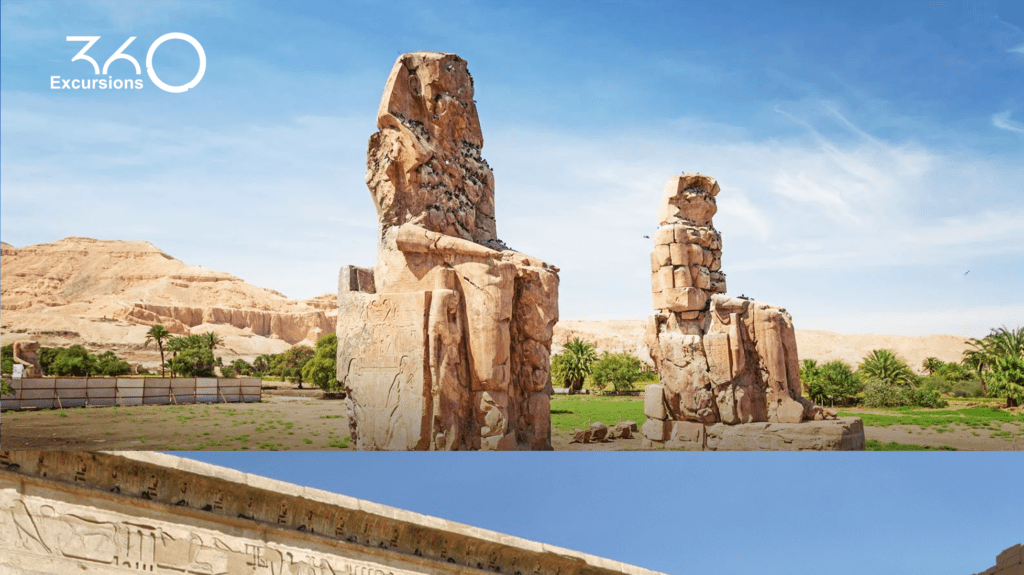
The Temple Is Often Visited Alongside The Colossi of Memnon And The Valley of the Queens. Travelers Based In Sharm El Sheikh Can Reach Luxor Through A Luxor Day Trip That Covers Major West Bank Highlights.
Conclusion
Medinet Habu Temple Is A Monument Of Power, Art, And Historical Storytelling — A Place Where Ancient Egypt’s Military Strength, Religious Beliefs, And Architectural Skill Come Together In Extraordinary Detail. With Its Fortified Walls, Dramatic Reliefs, Preserved Colors, And Calm Atmosphere, Medinet Habu Temple Offers One Of The Most Complete And Rewarding Temple Experiences In Luxor. For Travelers Seeking Depth And Authenticity, It Pairs Perfectly With Broader Cultural Programs Such As A Cairo Day Trip by Plane Or Extended Multi-City Itineraries Like The Cairo and Alexandria Tour.
FAQs
How Long Does A Visit Take?
Approximately 1–1.5 Hours.
Is Medinet Habu Suitable For Children?
Yes, But Supervision Is Recommended Due To Uneven Surfaces.
Can I Visit Medinet Habu And The Valley Of The Kings In One Day?
They Are Commonly Combined In West Bank Tours.


